News
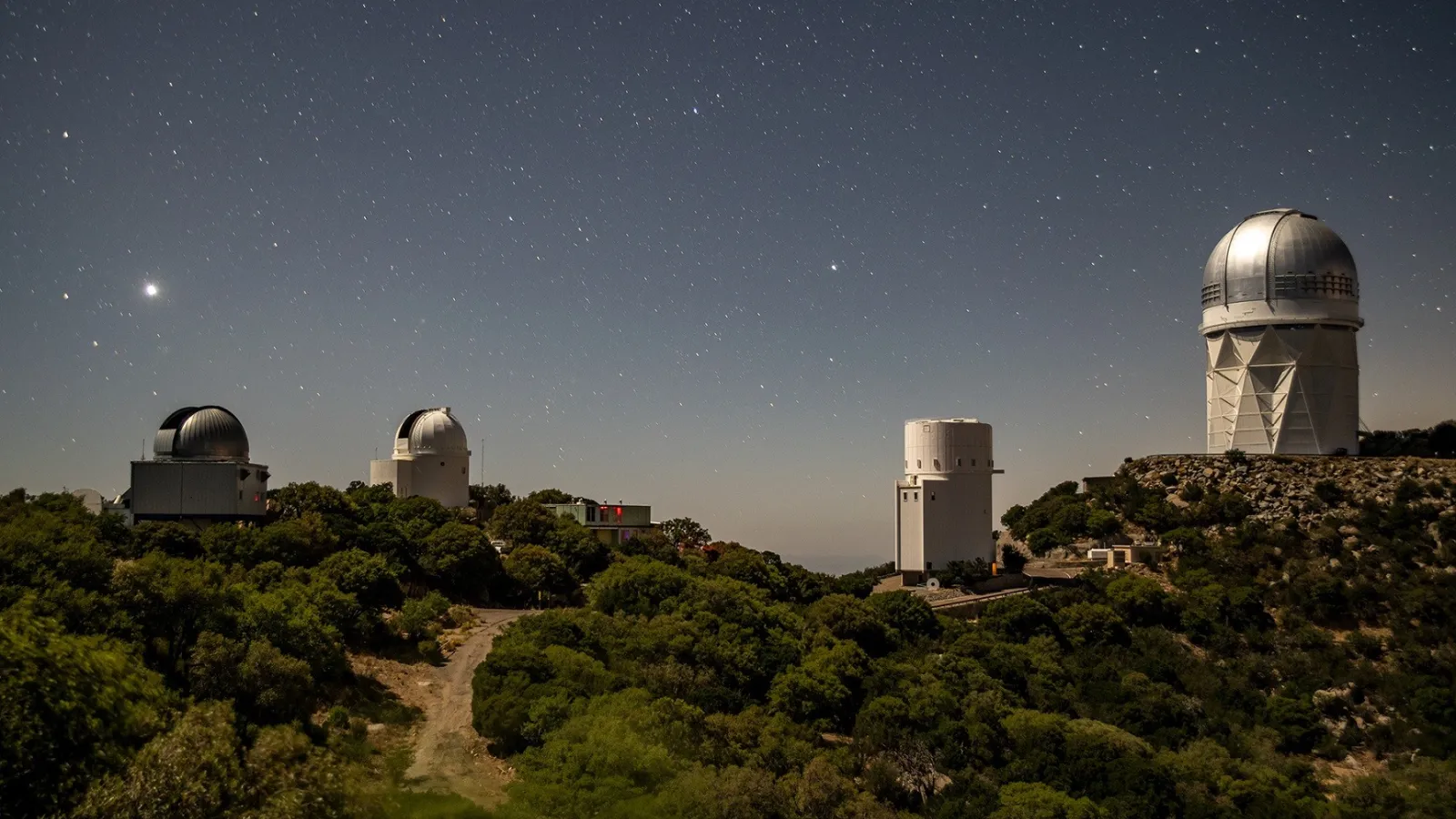
The International Effort to Create a 3D Map of the Universe
Though it’s only about 10% through its five-year mission, the Dark Energy Spectroscopic Instrument (DESI) has capped off the first seven months of its survey run by smashing through all previous…
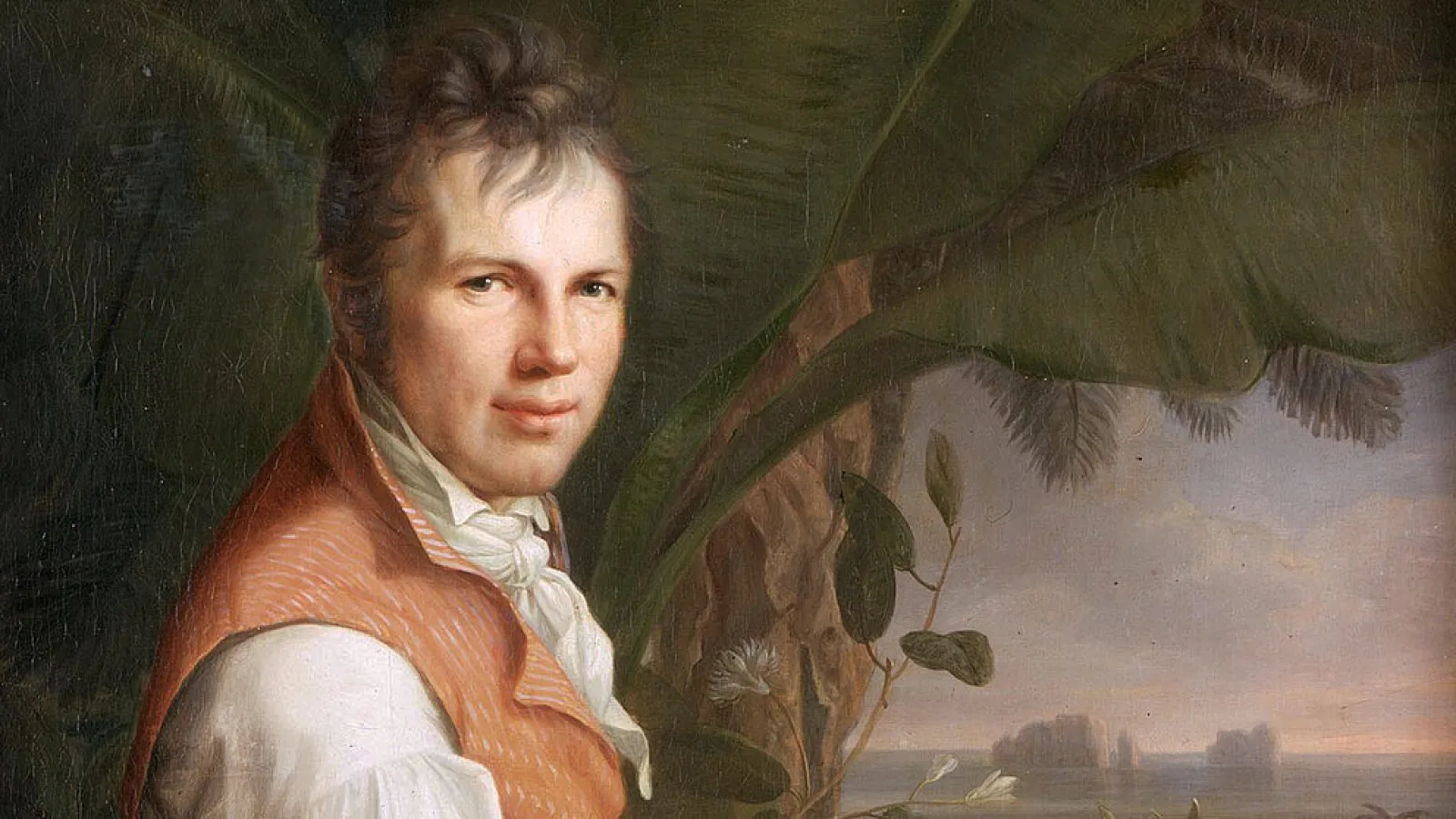
Adam Leroy Wins Humboldt Research Award
The Alexander von Humboldt Foundation has awarded the Humboldt Research Award to Adam Leroy, an associate professor in the Department of Astronomy who uses multi-wavelength…
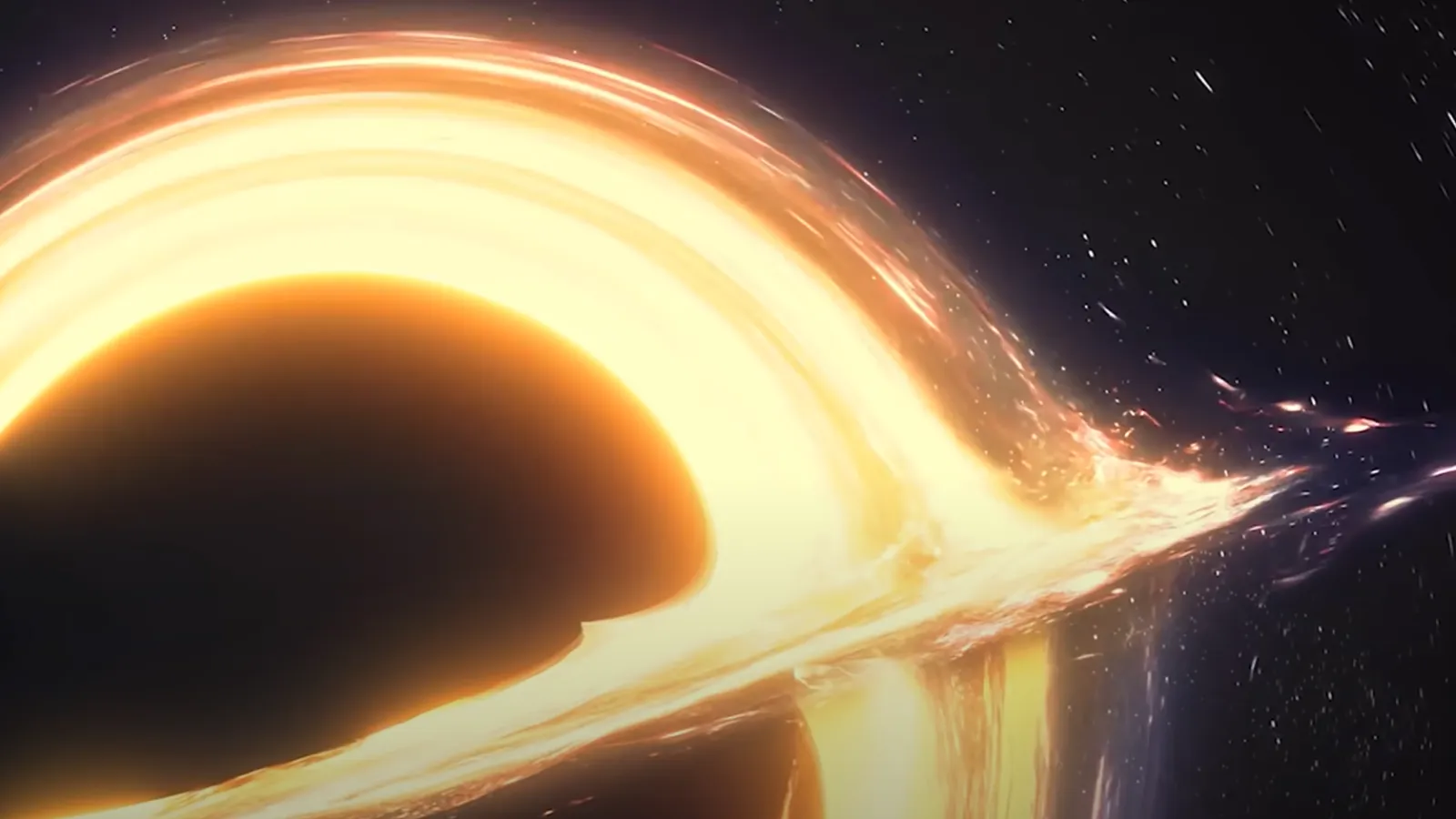
Stringing Together a Black Hole Paradox
A PBS Space Time segment featuring Samir Mathur, a professor in the Department of Physics, examines how string theory could be the key to solving the paradoxical existence of black holes.
Distinguished Professor David Weinberg Named in List of Highly Cited Researchers
David Weinberg, Distinguished University Professor and Chair of the Department of Astronomy, was named in Clarivate's 2021 list of Highly Cited Researchers. This recognition is due to the fact…
Time Dilation and How It Affects Us
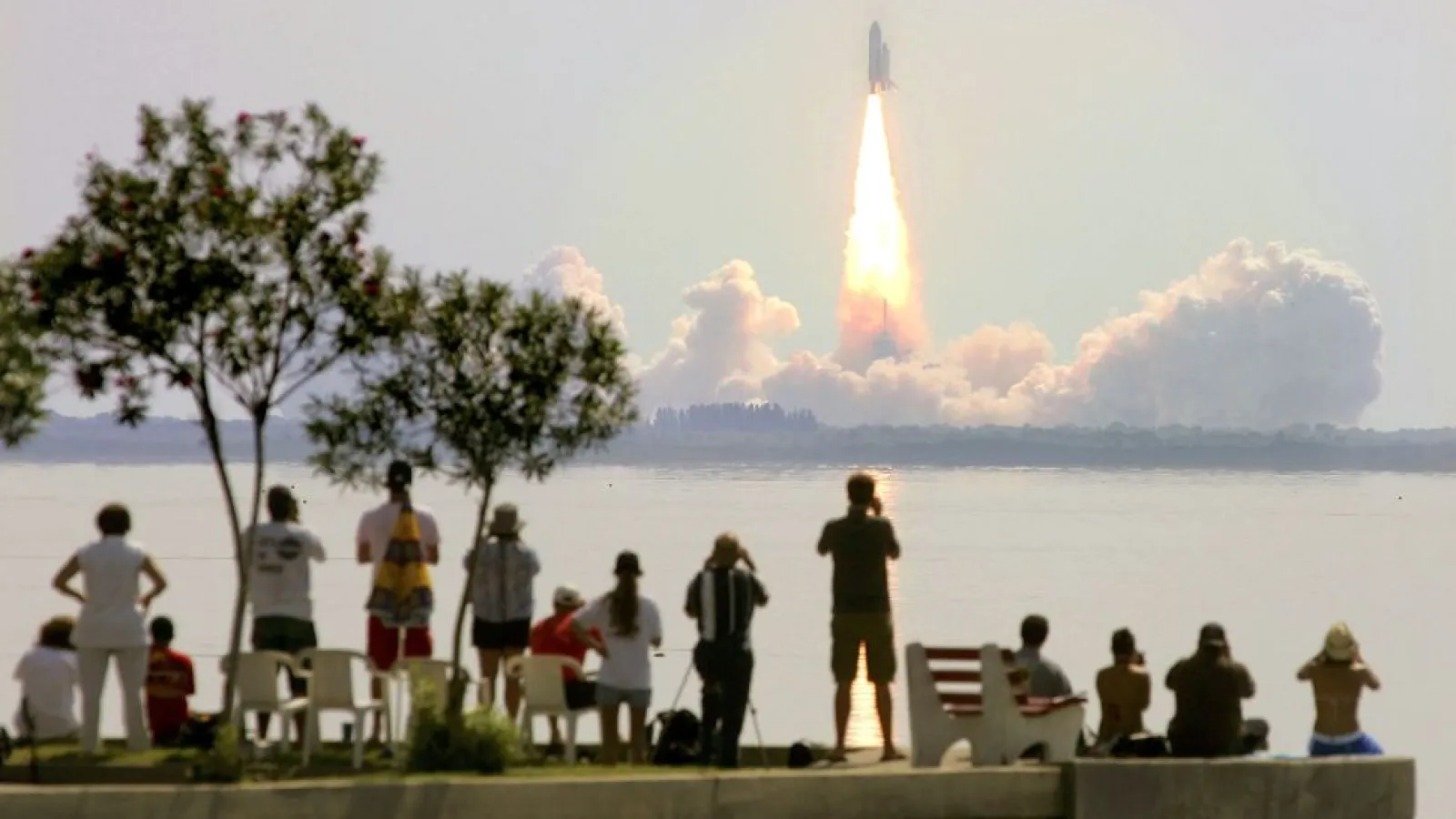
Time dilation, the theory that time passes differently for different observers, affects many aspects of our lives that we don’t realize. Distinguished Professor of Astronomy Richard Pogge says GPS…
Aim for the Stars! Citizen Scientists Identify 10,000 New Variable Stars
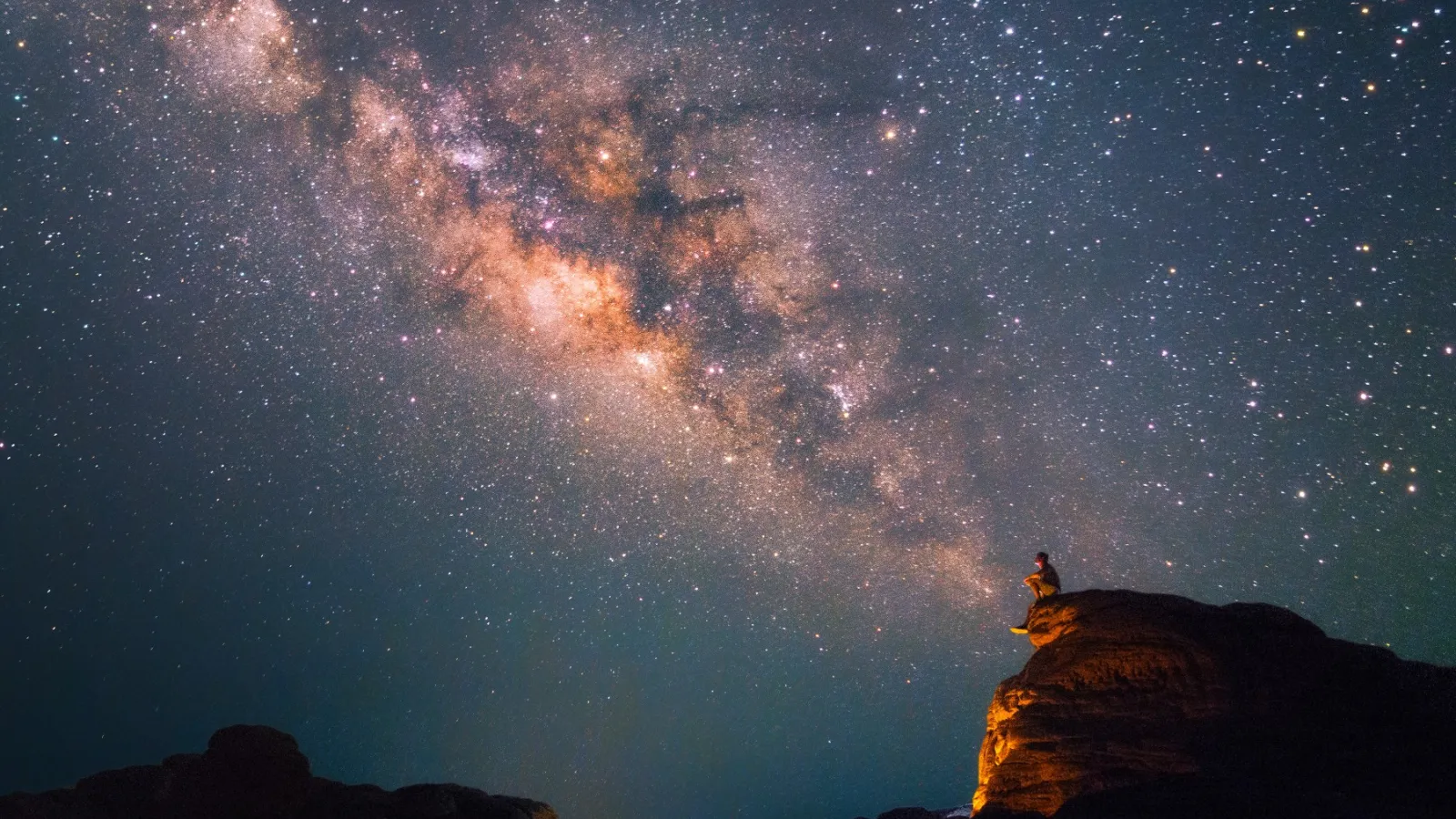
By examining data from the Ohio State-run All-Sky Automated Survey for Supernovae (ASAS-SN), volunteer citizen scientists around the world identified 10,000 new variable stars, discoveries that…

Into The Void: A Journey into a Black Hole for Orchestra and an Astrophysicist
On November 6th, join the Central Ohio Symphony and CCAPP Paul Sutter in Delaware, Ohio for Into the Void: A Journey into a Black Hole for Orchestra and an Astrophysicist. This concert…
Nova: Particles Unknown
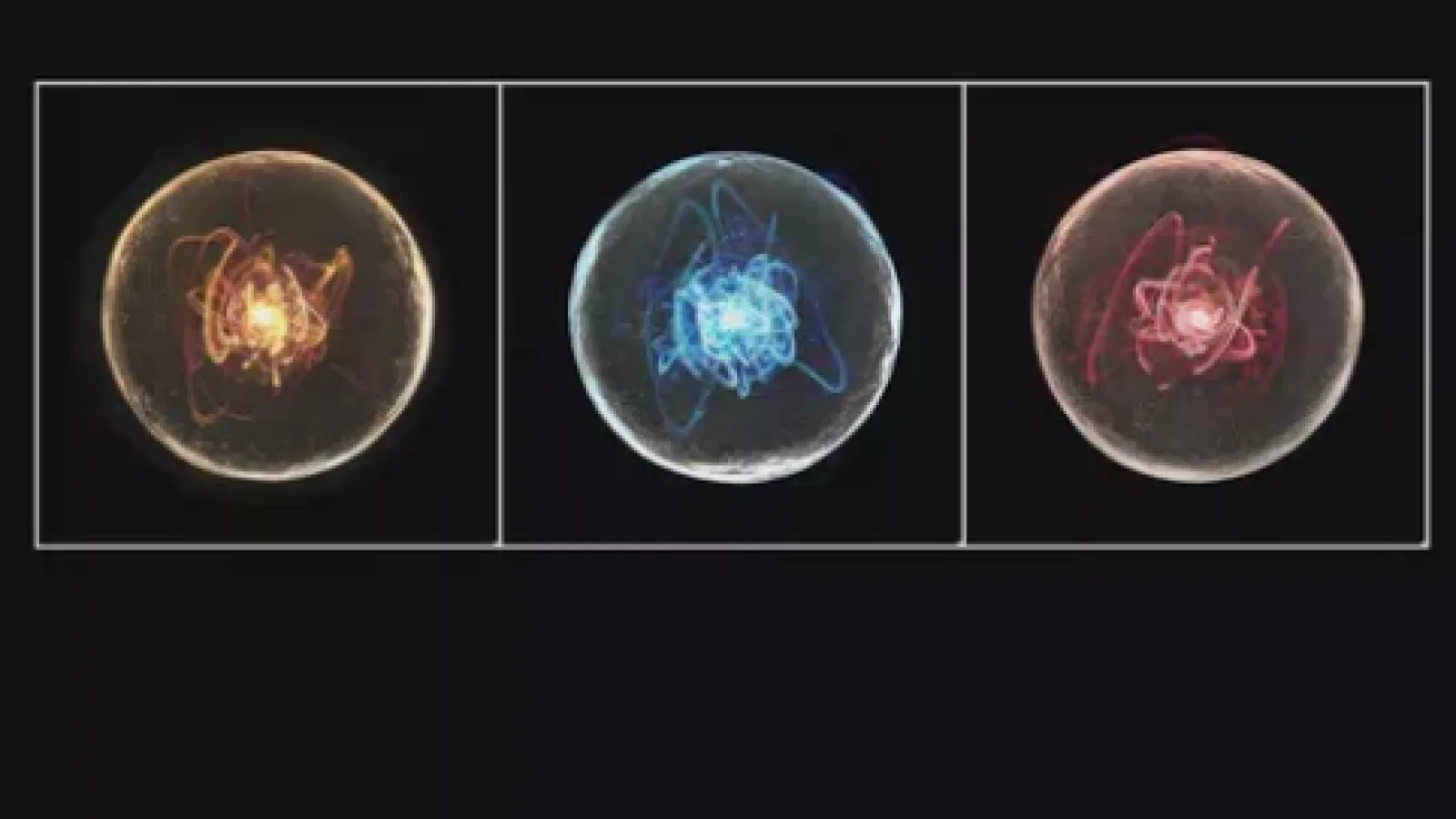
Michael Stamatikos, PhD, is part of the collaboration for the IceCube Neutrino Observatory, a massive astroparticle physics experiment located at the South Pole. Stamatikos' work will be featured…
Engaged Scholars: Michael Stamatikos
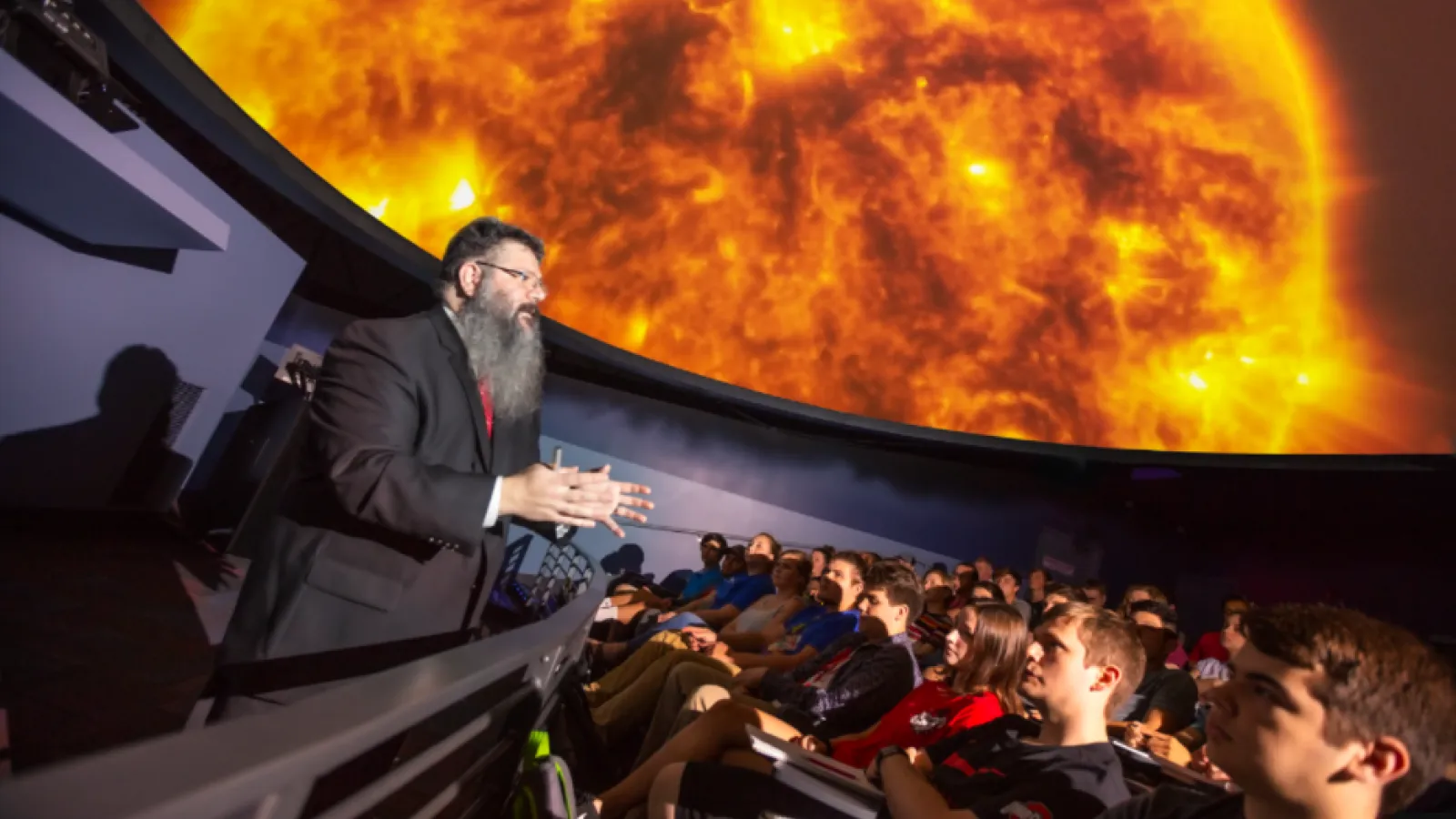
Engaged Scholars is a monthly series highlighting Ohio State faculty who have made an impact in our communities through their community-engaged research and teaching. Photo:…