News

Cosmos curious? Ask a spaceman
Paul Sutter is an astrophysicist who, in addition to studying things like cosmic voids and galaxy clusters, enjoys helping those of us who aren’t astrophysicists understand how…
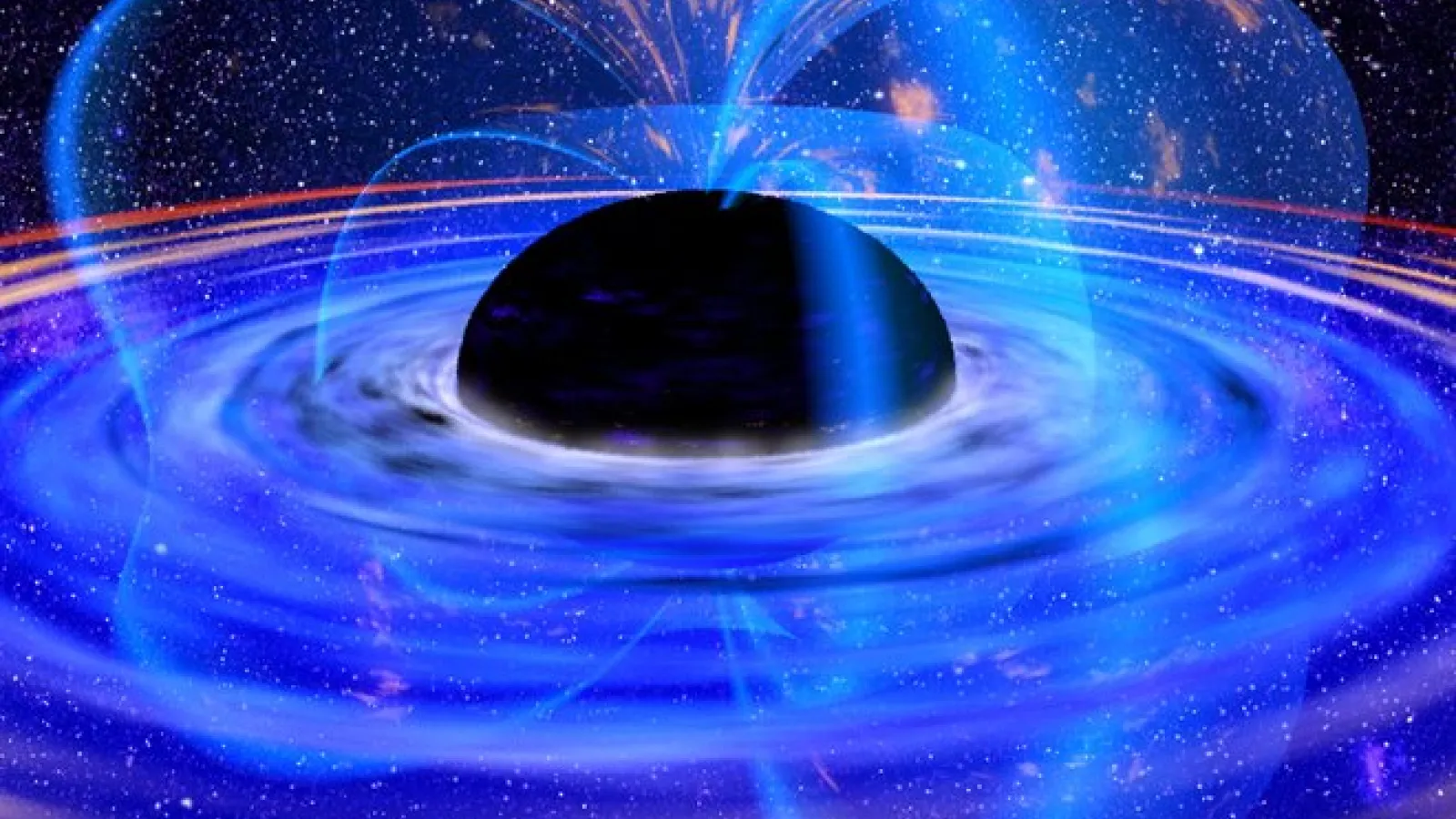
On the Existence of Black Holes
By all accounts, black holes should not exist, and for a long time, they were shrugged off as mere mathematical artifacts — an annoying bug in the otherwise elegant machinery of general relativity…
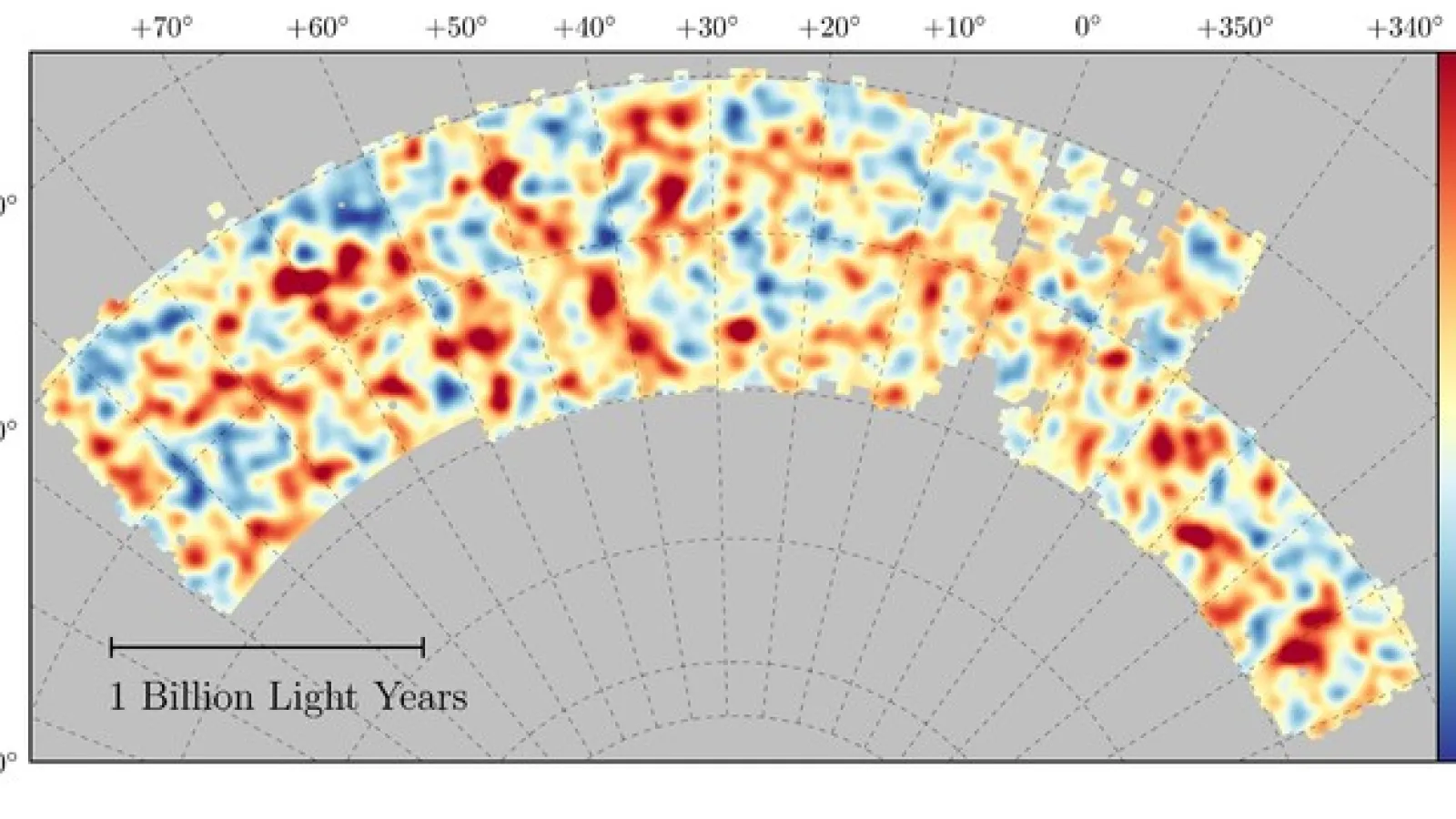
Mapping the Invisible Universe
Researchers from the Dark Energy Survey, headed by physics professor Klaus Honscheid, have reached a new milestone mapping the growth of the universe from its infancy to present day. The new…
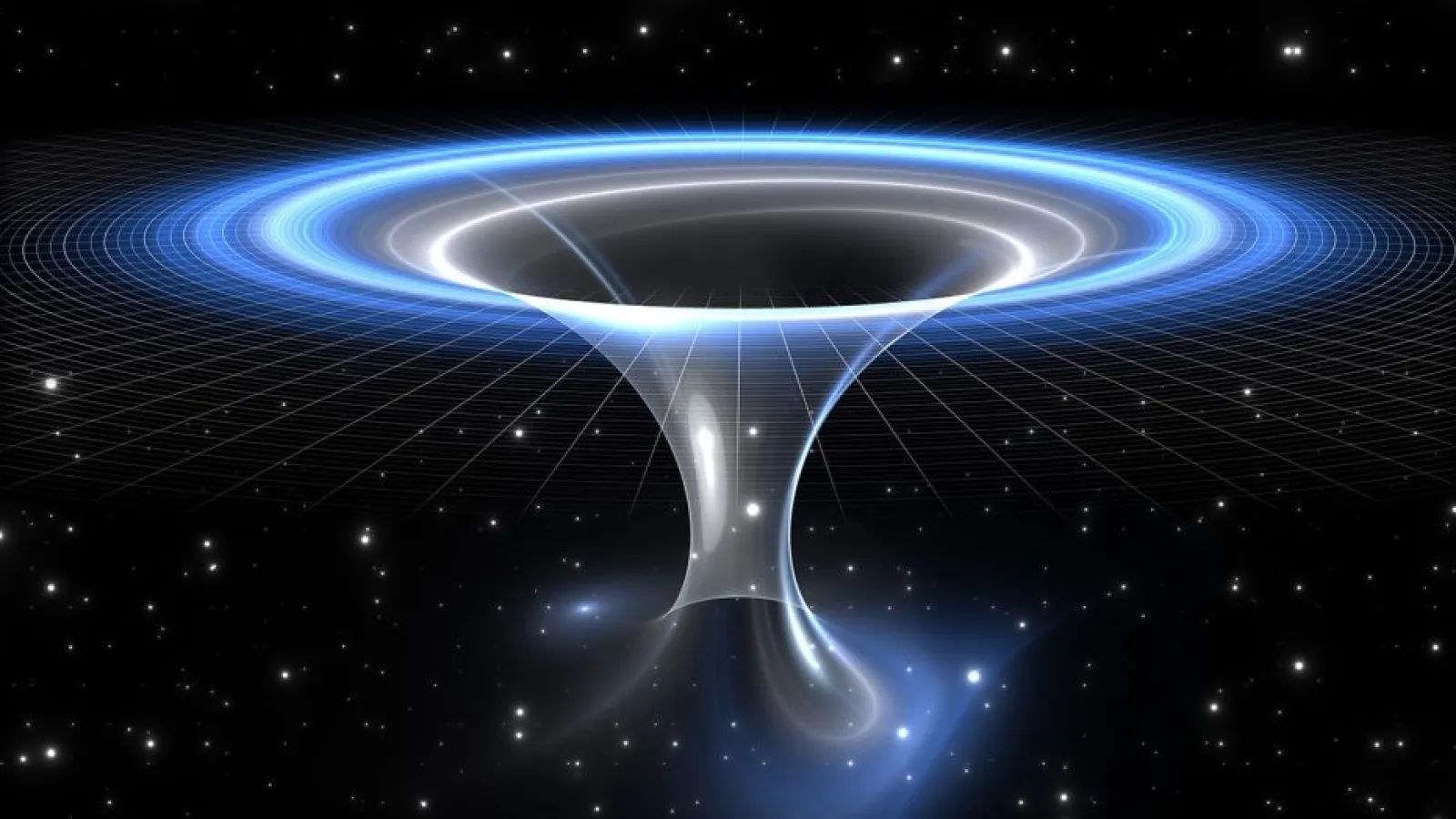
Time travel isn't possible…or is it?
We have complete freedom of movement within space, but we cannot avoid our future. Time seems to have an "arrow," whereas the spatial dimensions are ambidextrous. Given the unity between time and…
The Great American Eclipse: Aug. 21
The solar eclipse on Monday, Aug. 21 will be the first to travel coast to coast across the continental United States since 1918. Ohio State astronomers will be spread all along the path of…

Phun with Physics returns to the Ohio State Fair for the 16th year
With the aid of Physics students and under the direction of our our Instructional Support Staff (Harold Whitt, Chris Healy and Katie Ferrell) once again Phun with Physics is at the Ohio State Fair…

Breaking Ground to Teach the Stars: Newark Astrophysicist Leads the Way
Ohio State Newark and The Works: Ohio Center for History, Art & Technology, broke ground June 2 for their collaborative $1.4 million SciDome planetarium, expected to be completed in 2018. This…
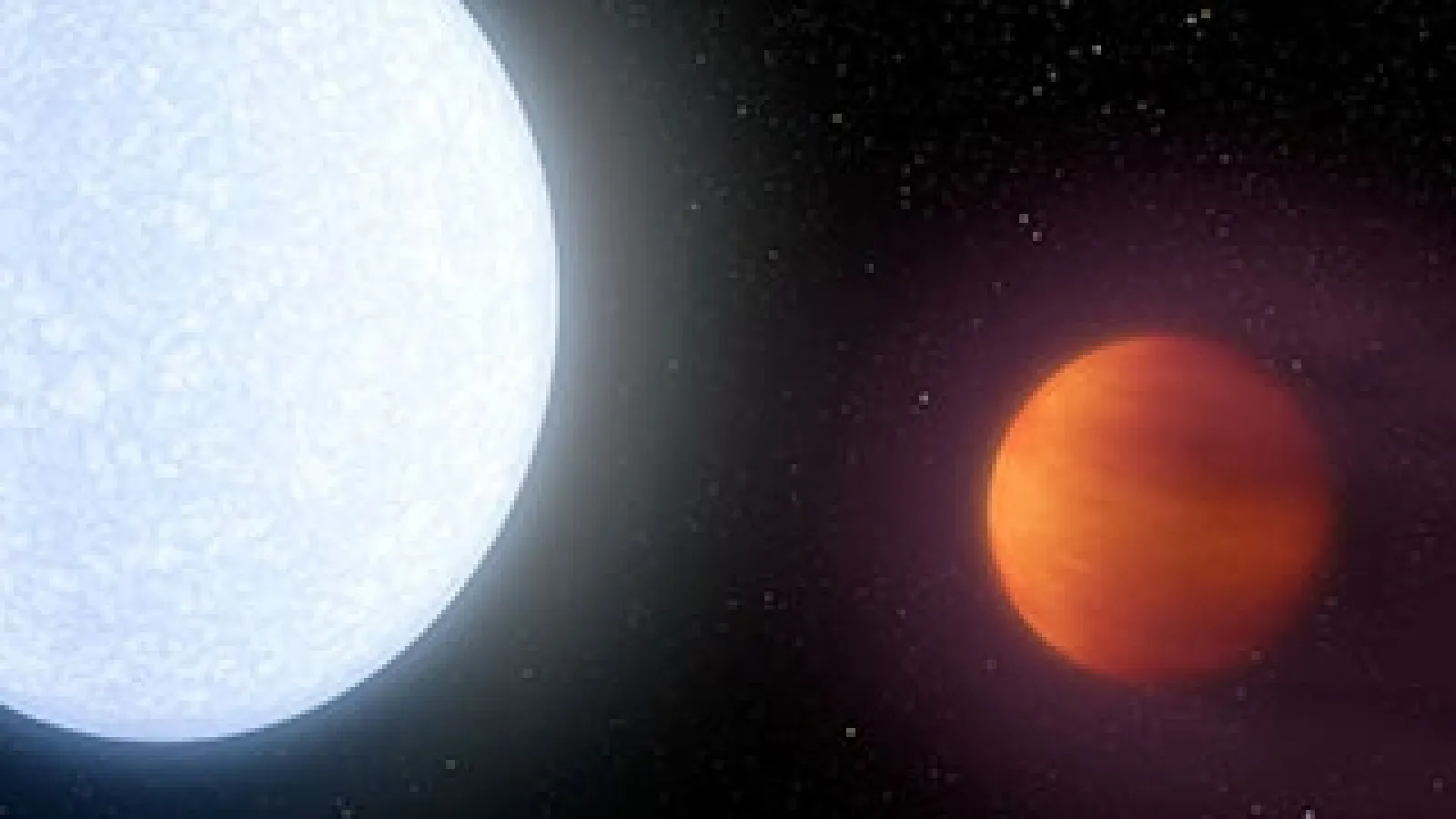
Astronomer Leads Team Discovery of Hottest Known Planet
Astronomer Scott Gaudi, Thomas Jefferson Professor for Discovery and Space Exploration, co-led an international team that discovered planet KELT-9b is “so hot it stretches the…

Astronomers Witness Star’s Death, Birth of New Black Hole
For the first time, astronomers have seen a dying star collapse directly into a black hole. The fizzle of this star — about 25 times more massive than our Sun — could explain why astronomers…