News
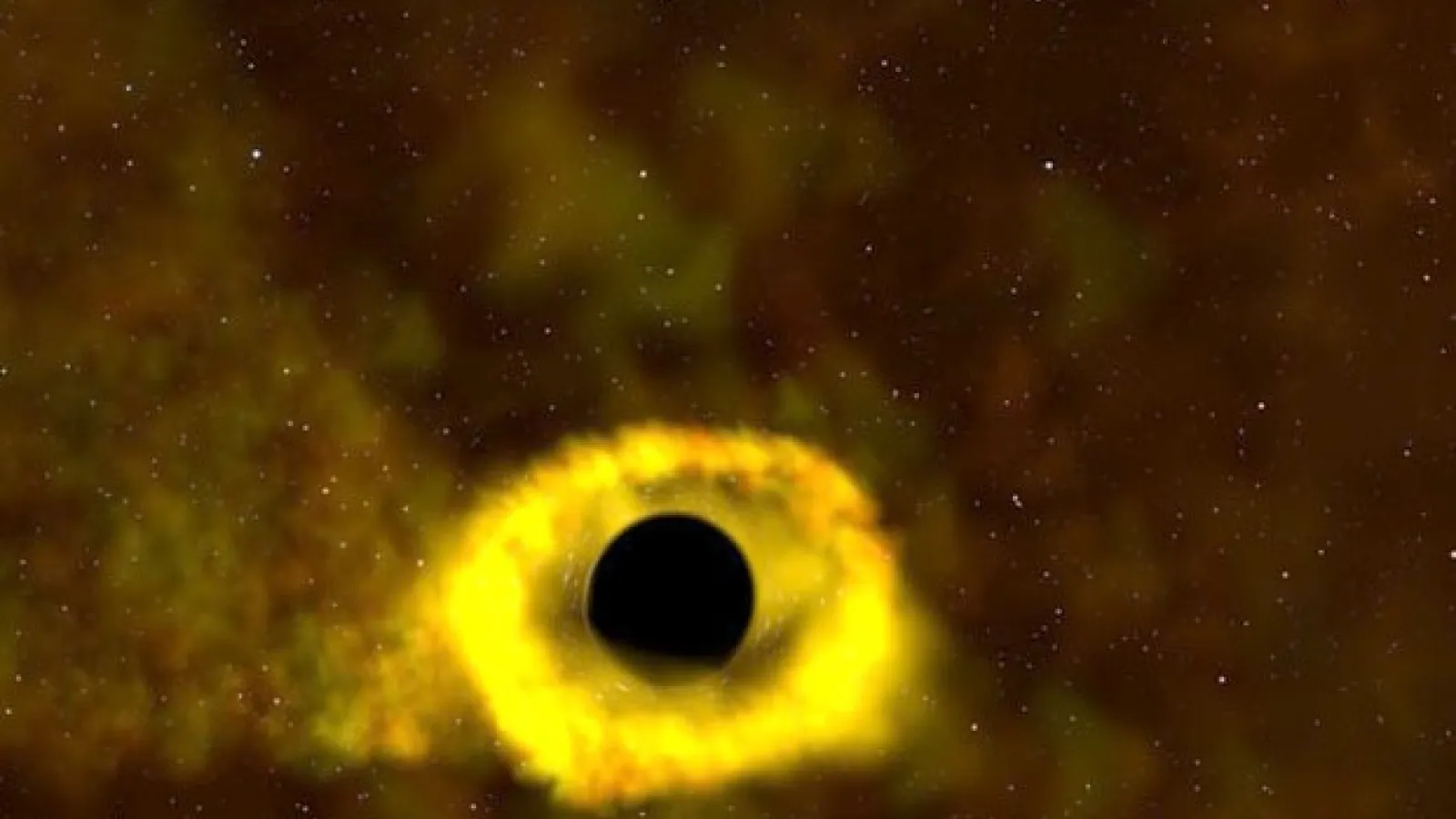
Scientists Watch a Black Hole Shredding a Star
(Originally posted to https://news.osu.edu)
“Lucky” observation gives most detailed look ever of the phenomenon A NASA satellite searching space for new planets gave astronomers an unexpected…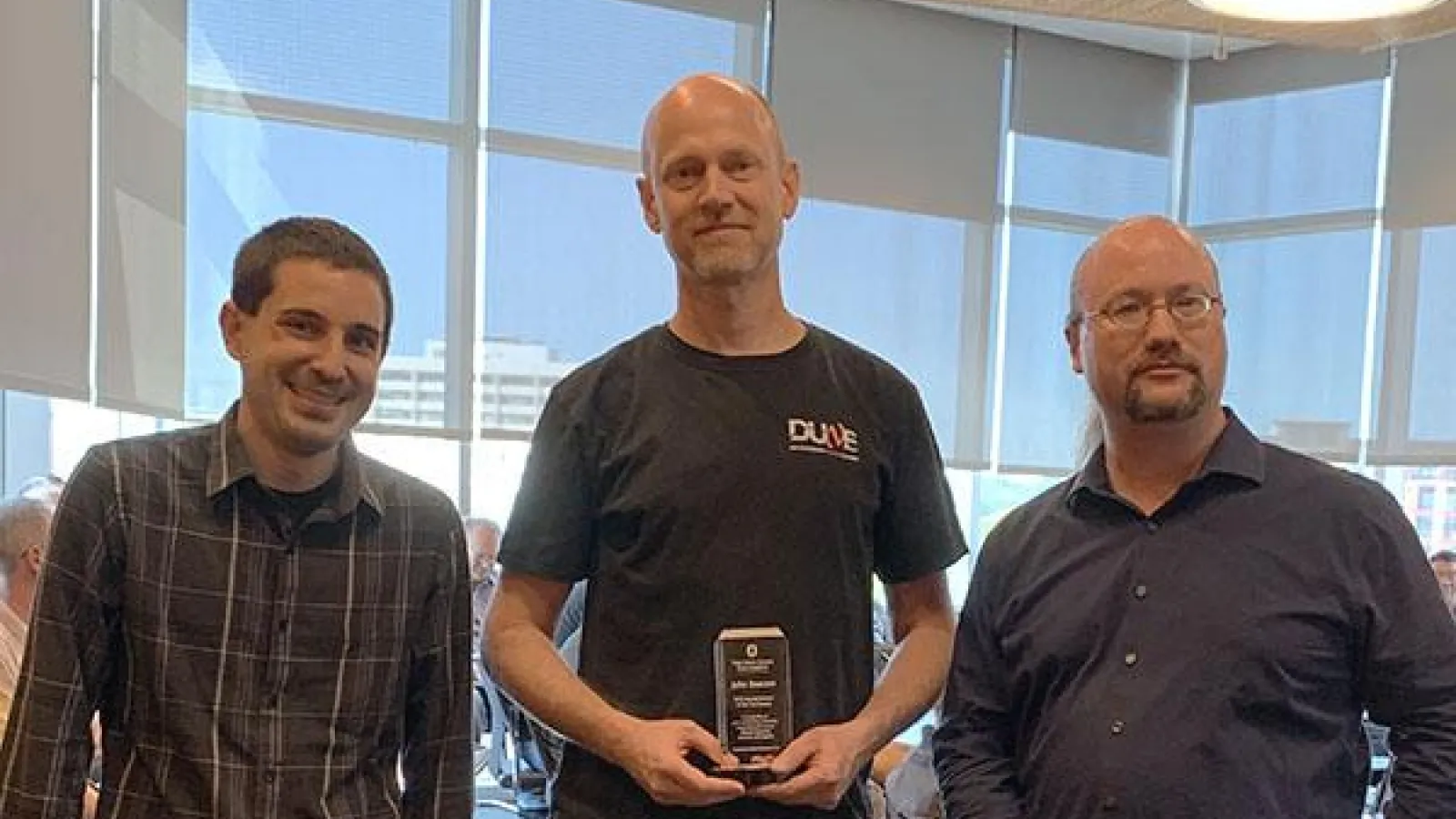
Dr. John Beacom Named 2019 Post Doc Mentor of the Year
The Office of Postdoctoral Affairs (OPA) is pleased to announce that John Beacom is the 2019 recipient of the annual Mentor of the Year Award. The Faculty Mentor of the Year Award recognizes a…
Voices of Excellence Feature on Dr. John Beacom
"Science is not about trying to memorize what's in the book." -John Beacom
This week on Voices of Excellence, Distinguished Professor of Physics and Astronomy John Beacom describes…
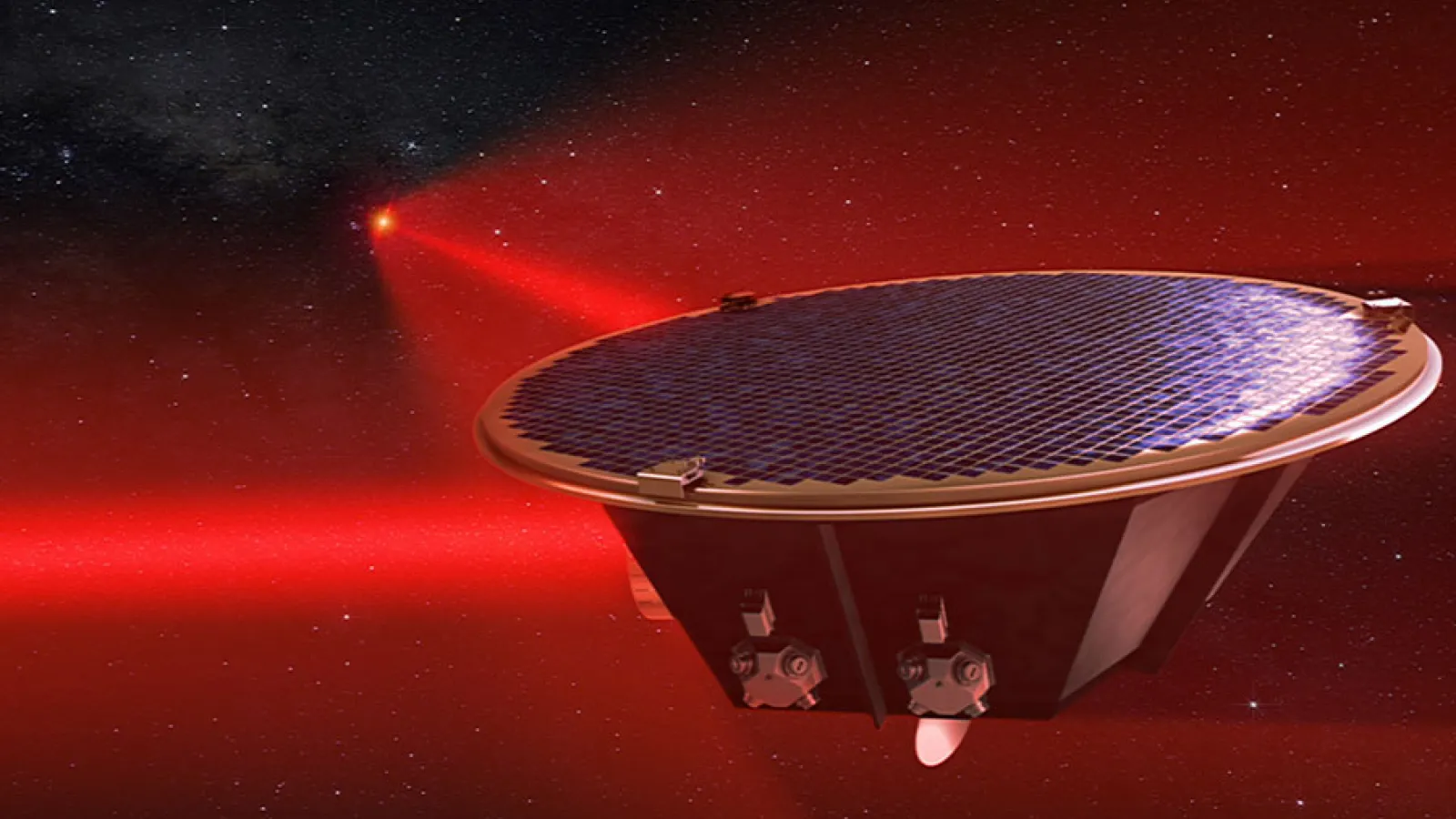
The Future of Gravitational Wave Astronomy
Leading experts (including Nobel Prize Winner Rai Weiss) discuss the future and far future of gravitational wave astronomy from upgrading LIGO to larger ground based detectors such as The Einstein…
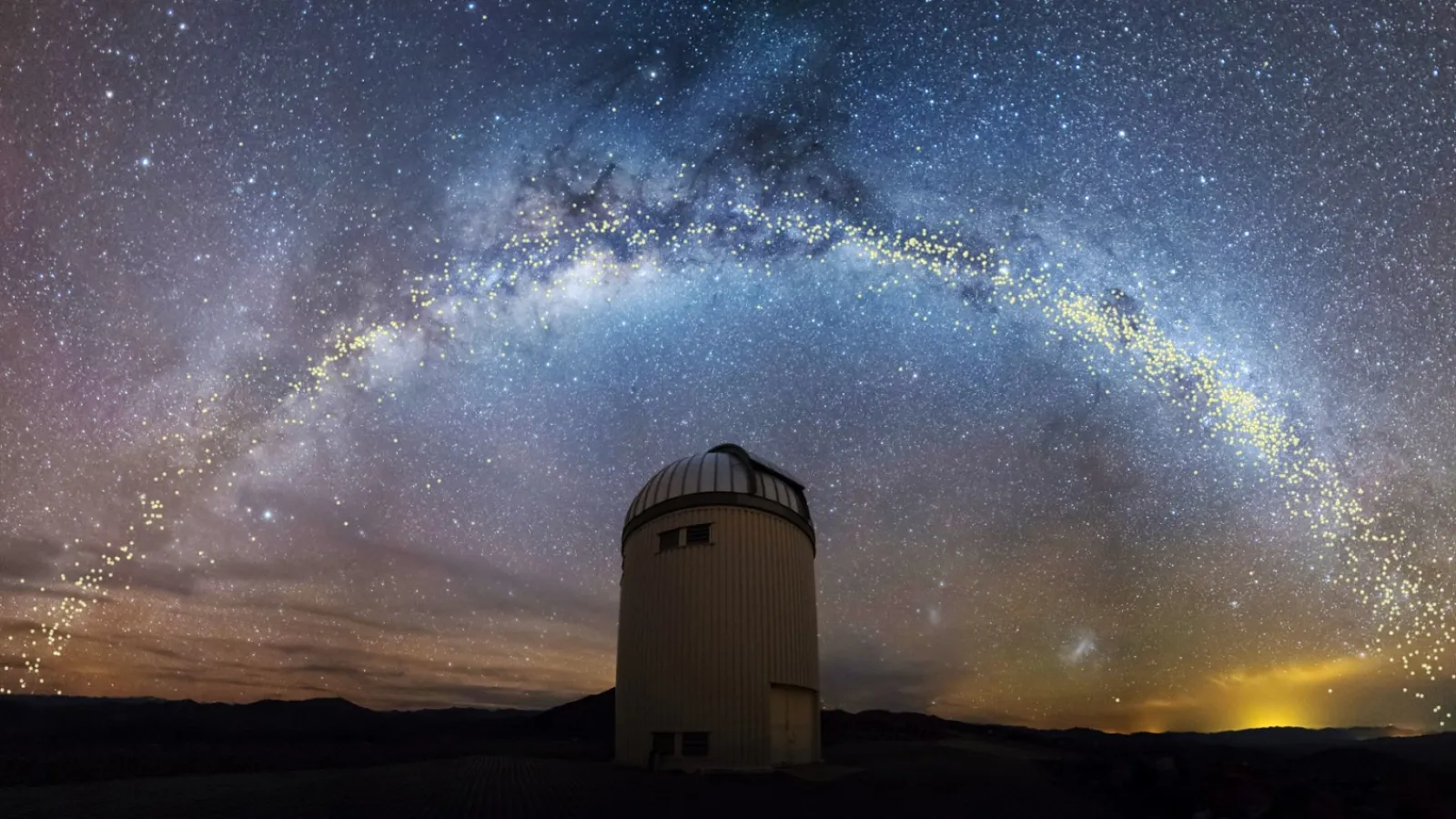
New 3D Milky Way Model Shows Details of Galactic Warp
(Originally posted http://news.osu.edu)
Model created using more than 2,300 stars — the most comprehensive of its kind to dateAn international research team has built the most in…
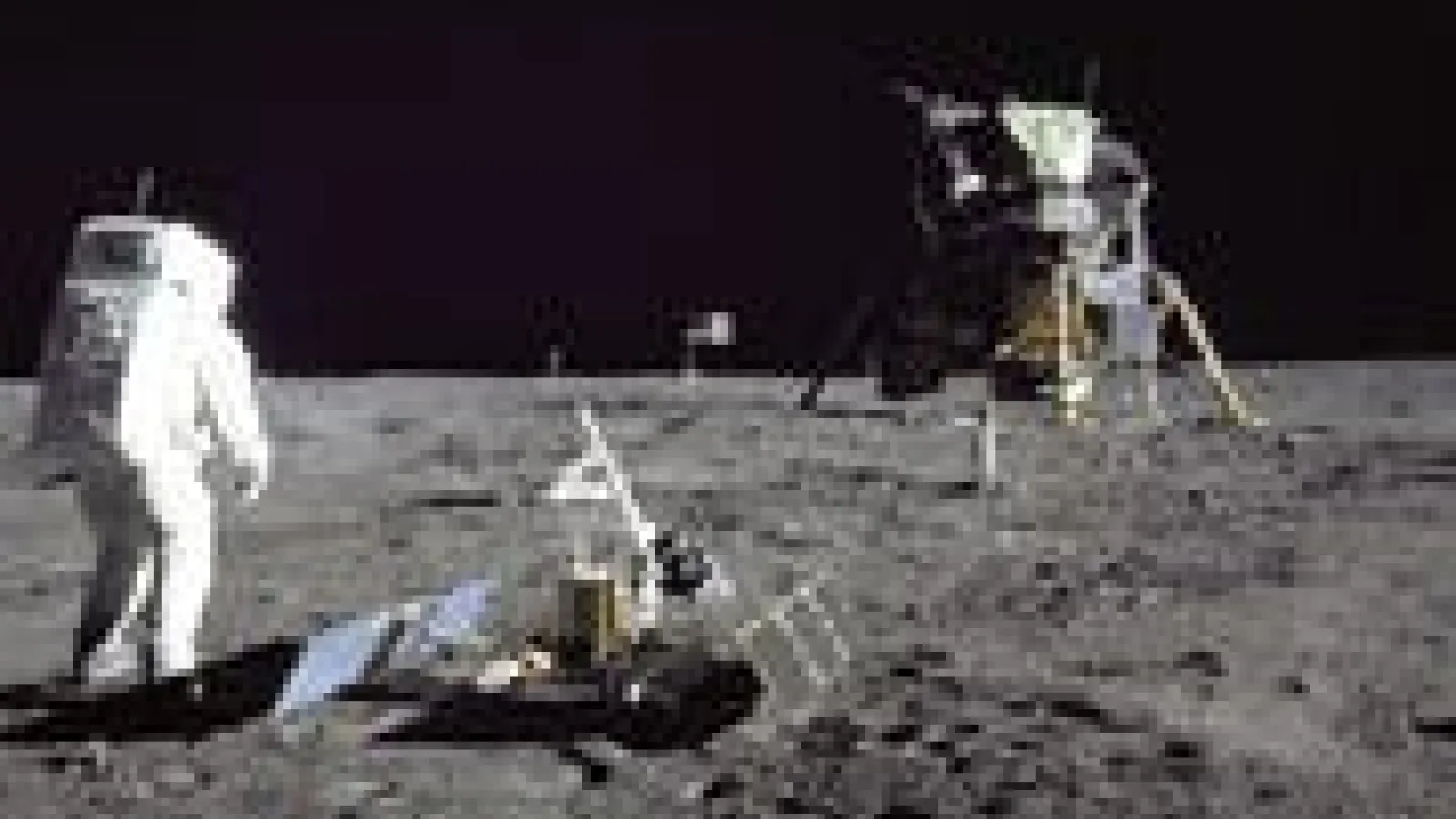
Stamatikos: The Legacy of Apollo 11
It has been 50 years since Neil Armstrong made “one giant leap for mankind”, but Apollo 11’s golden anniversary is bittersweet.
On the one hand, we celebrate a tremendous technological…

Not Your Average Success Story
(Originally posted http://osu.edu/features)
Anna's Roadmap to Success From COSI to NASA to the President's Prize, Anna Voelker's story is a journey that started with a struggle.When…
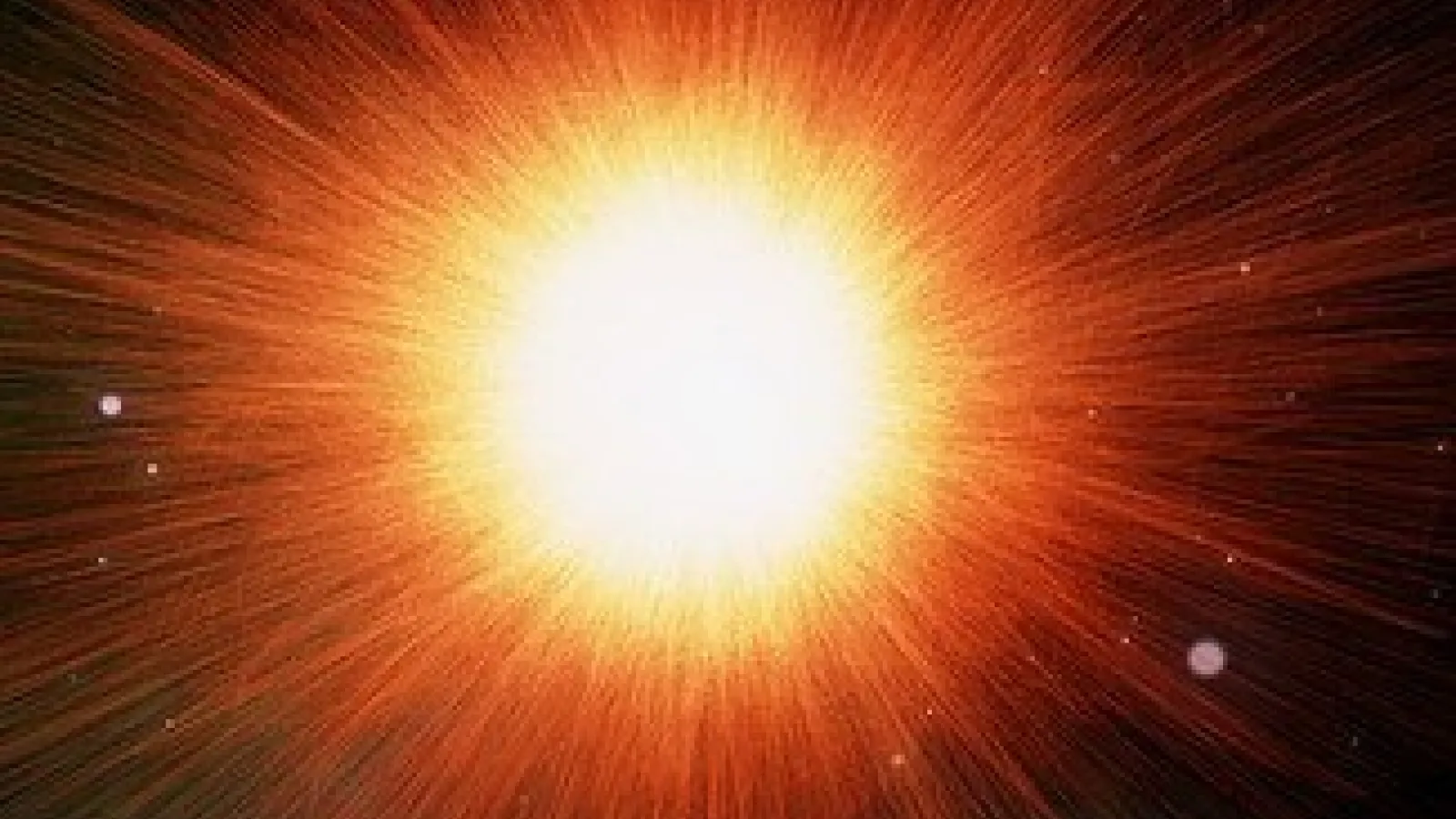
Supernova observation first of its kind using NASA satellite
Data from NASA and Ohio State offer new clues about why stars explode.
When NASA’s Transiting Exoplanet Survey Satellite launched into space in April 2018, it did so with a specific goal:…
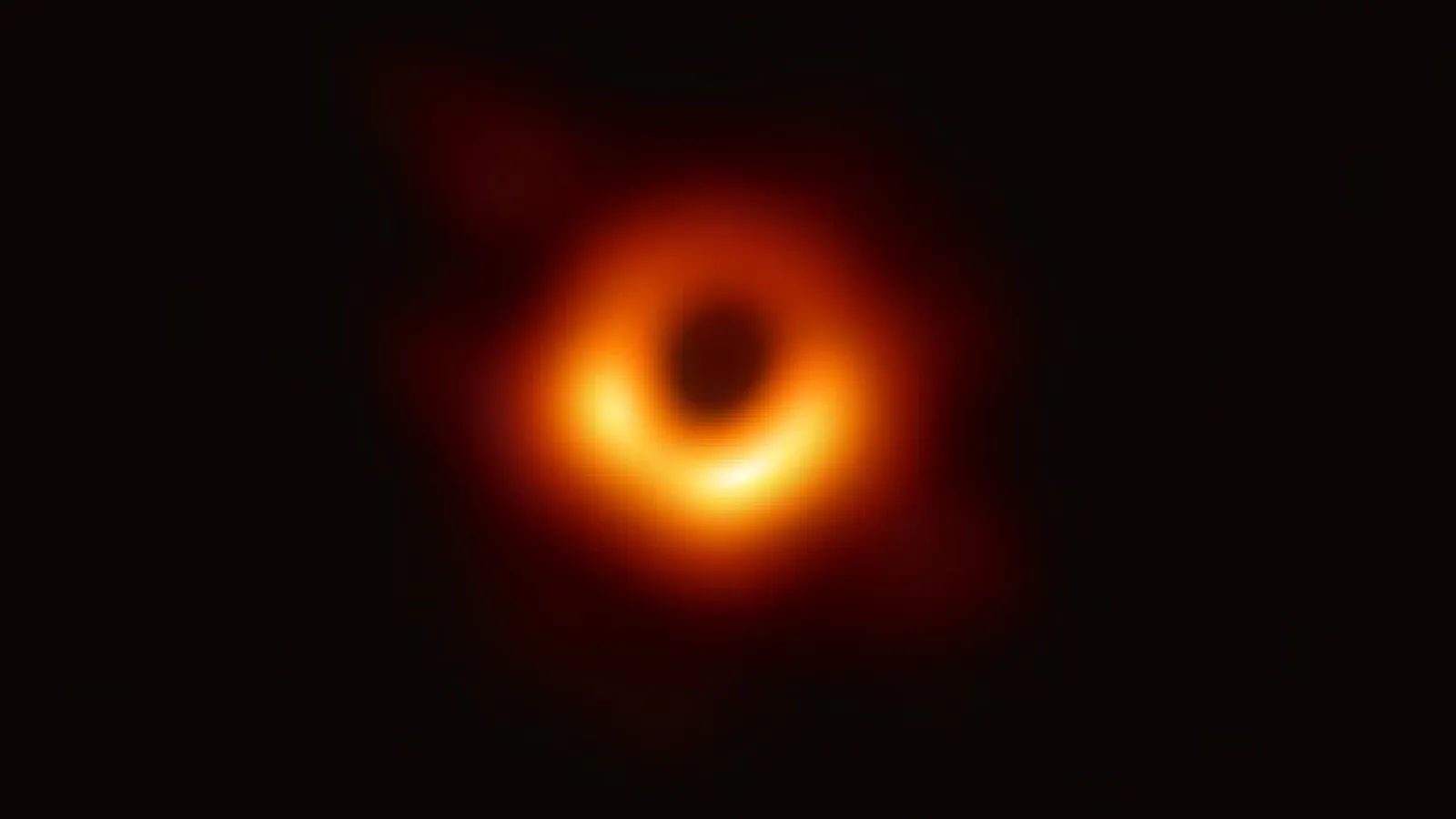
STEMcoding Black Hole Videos Go Viral!
(Originally posted http://u.osu.edu/stemcoding)
This spring we were all amazed to see the first images of gas falling into a supermassive black hole which were taken by a global radio…