News
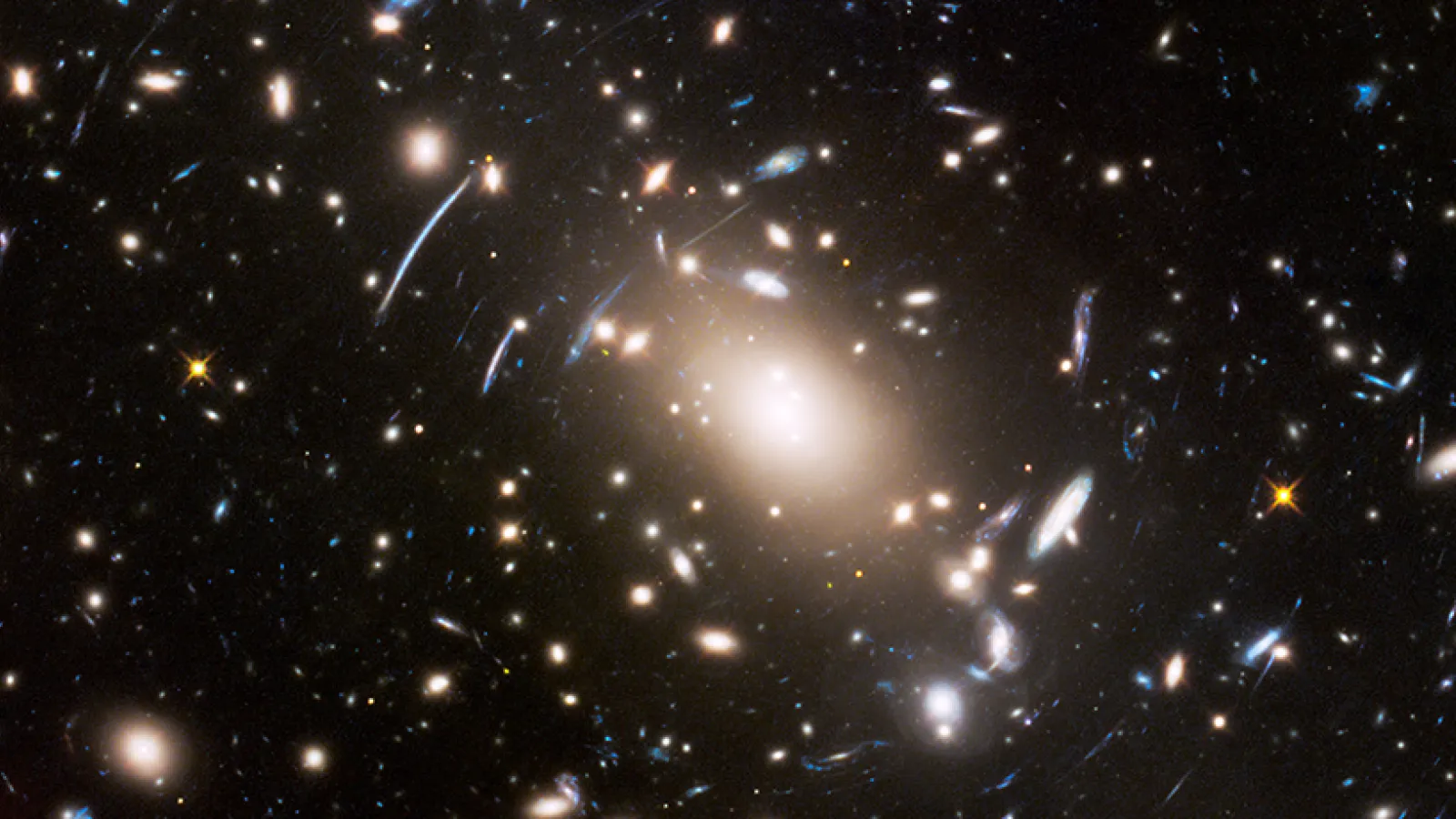
A faint glow found between galaxies could be a beacon for dark matter
Dim light emanating from the purgatory between galaxies could illuminate the most shadowy constituents of the cosmos.
Dark matter, an unidentified type of particle that interacts…
The weird mystery of dark energy
Though it dominates the universe, dark energy is the biggest discovery we don’t understand. David Weinberg, Distinguished University Professor, astronomy weighs in on revealing…
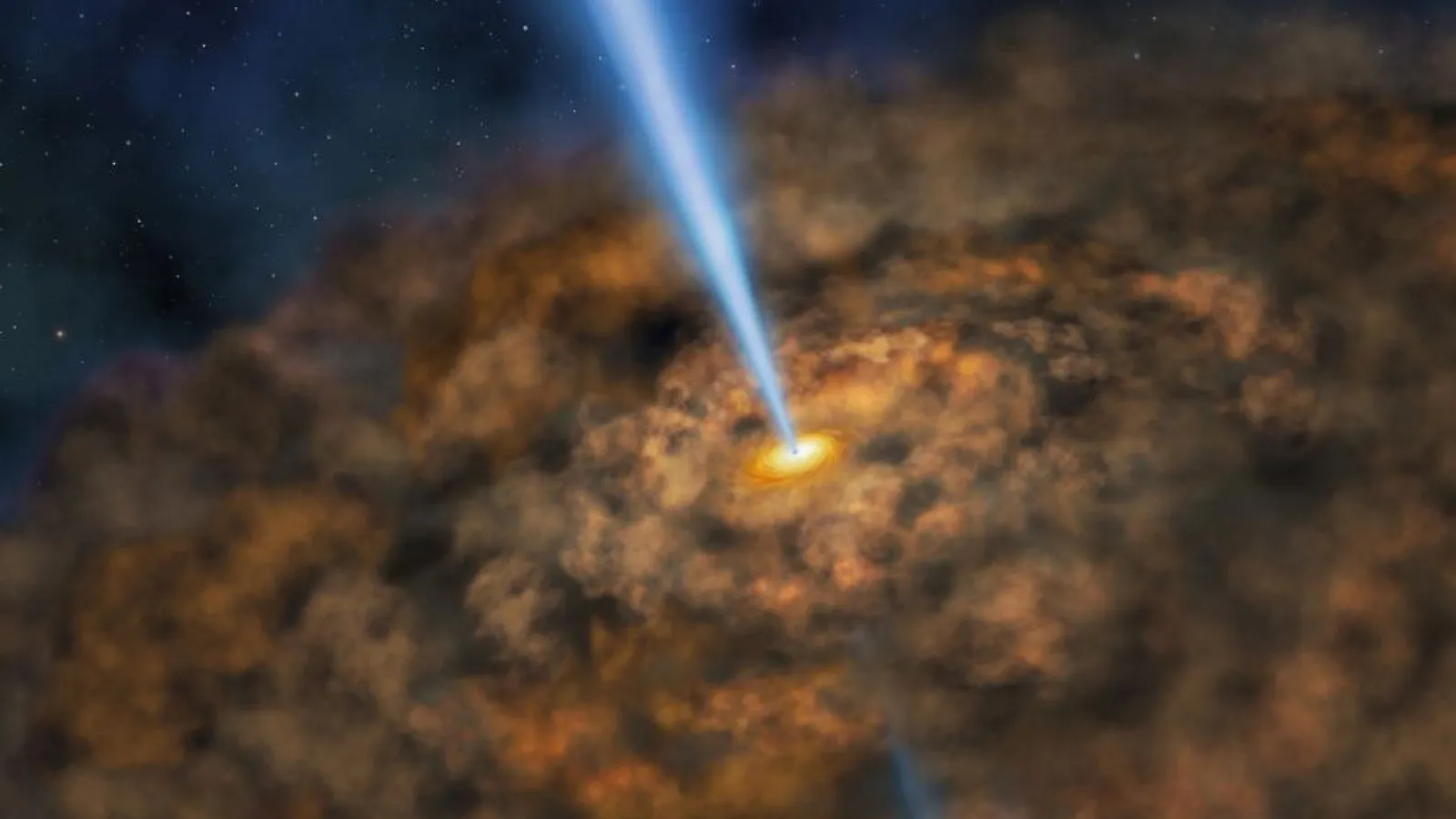
Black holes are fuzzy balls of string with an endless appetite for matter
Black holes aren’t surrounded by a burning ring of fire after all, suggests new research. A team from the Department of Physics has calculated an explanation of what would happen if an electron…

It Is Possible to Travel Through Time
Time travel is scientifically possible — "it's only a matter of going really, really fast," according to Paul Sutter, community outreach coordinator at Ohio State's Center for…
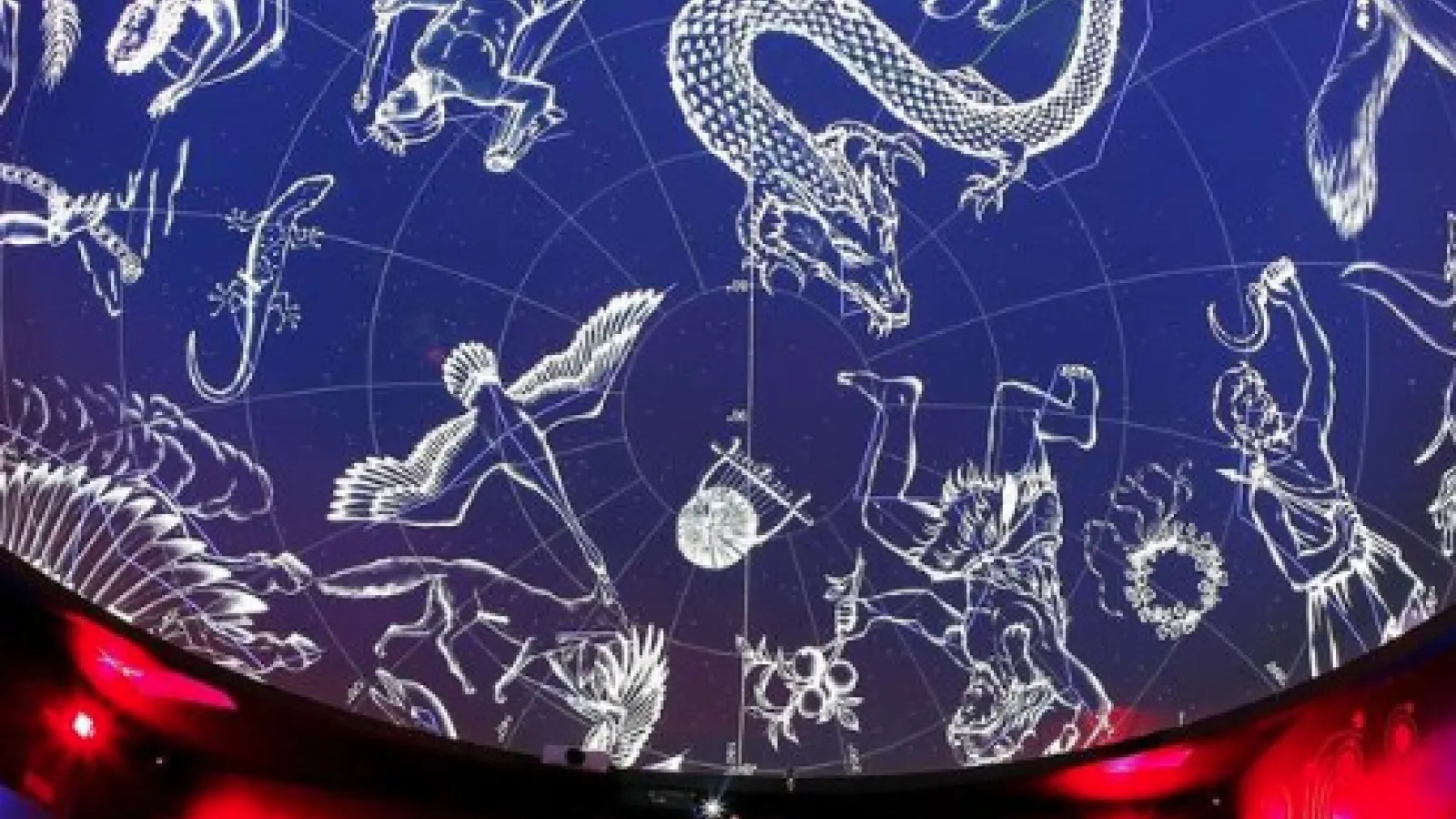
Newark's SciDome Opens at The Works
Michael Stamatikos is the founding director and chief science officer of the new SciDome at the science, history, art and technology center which opened to the public on Saturday June 9, 2018.
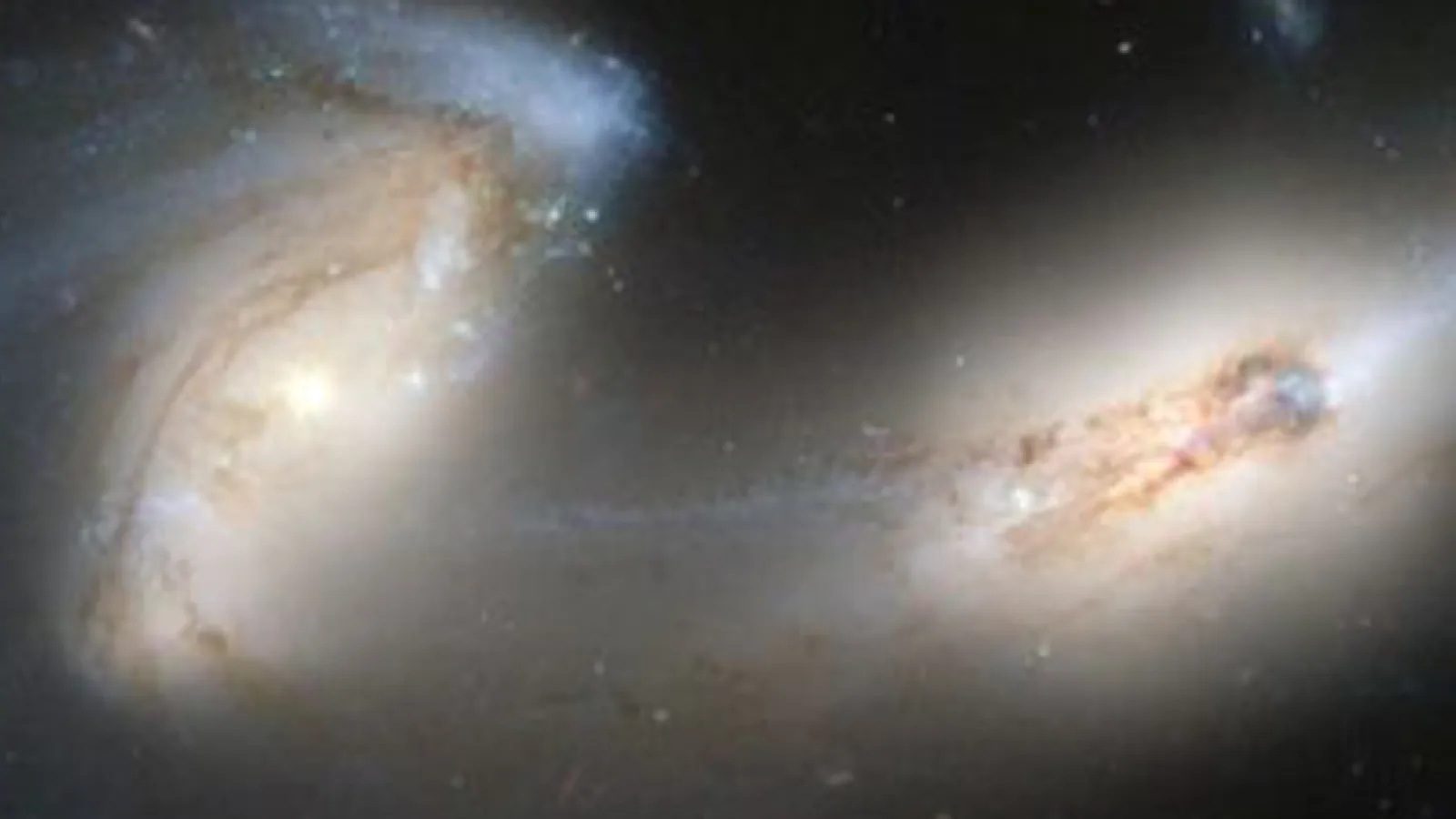
The All Sky Automated Survey for Supernovae
Led by faculty in the Department of Astronomy, the All Sky Automated Survey for Supernovae (ASAS-SN) is an international project to rapidly identify and study the brightest transient sources the…
Where Is the Center of the Universe?
While gazing at the stars under a clear night sky might make you feel like you're at the center of the universe, the universe actually looks the same from any point, explains Barbara Ryden…
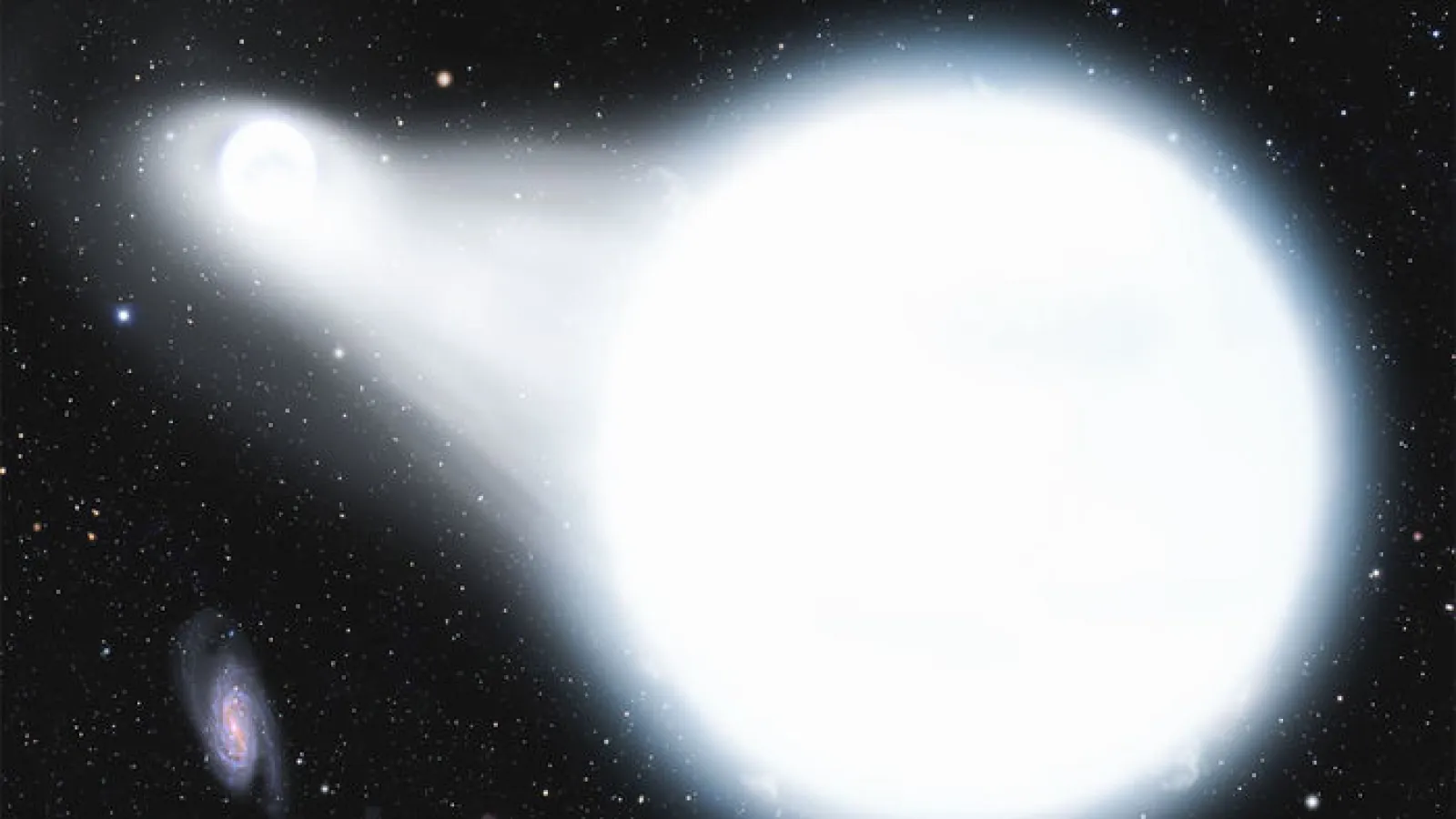
One of the Milky Way’s fastest stars is an invader from another galaxy
A unique type of supernova may have caused the trajectory of one of the fastest-moving stars in our galaxy. Astronomy professor Kris Stanek comments on the discovery — based on…
Astronomy and physics students visit Green Bank Telescope
Think Ohio Stadium is big? You should see the Green Bank Telescope, which clocks in at 16.8 million pounds with a dish that spans 2.3 acres. A group of astronomy and physics students recently got…