September 18, 2026
Using helium, astronomers blow certainty into early Big Bang conditions
A study led by Ohio State University astronomers has refined measurements of the universe’s primordial helium abundance to an unprecedented precision of nearly 0.5%, down from previous 2% estimates. By analyzing helium signals in optical and infrared light from rare, metal-poor galaxies using the Large Binocular Telescope, the researchers gathered data reflecting conditions within the first few seconds after the Big Bang. Their findings confirm that the number and behavior of subatomic particles, specifically neutrino species present during the universe's origin, align directly with the Standard Model of particle physics and existing cosmological theories.
For the full article, please go to OSU State News.
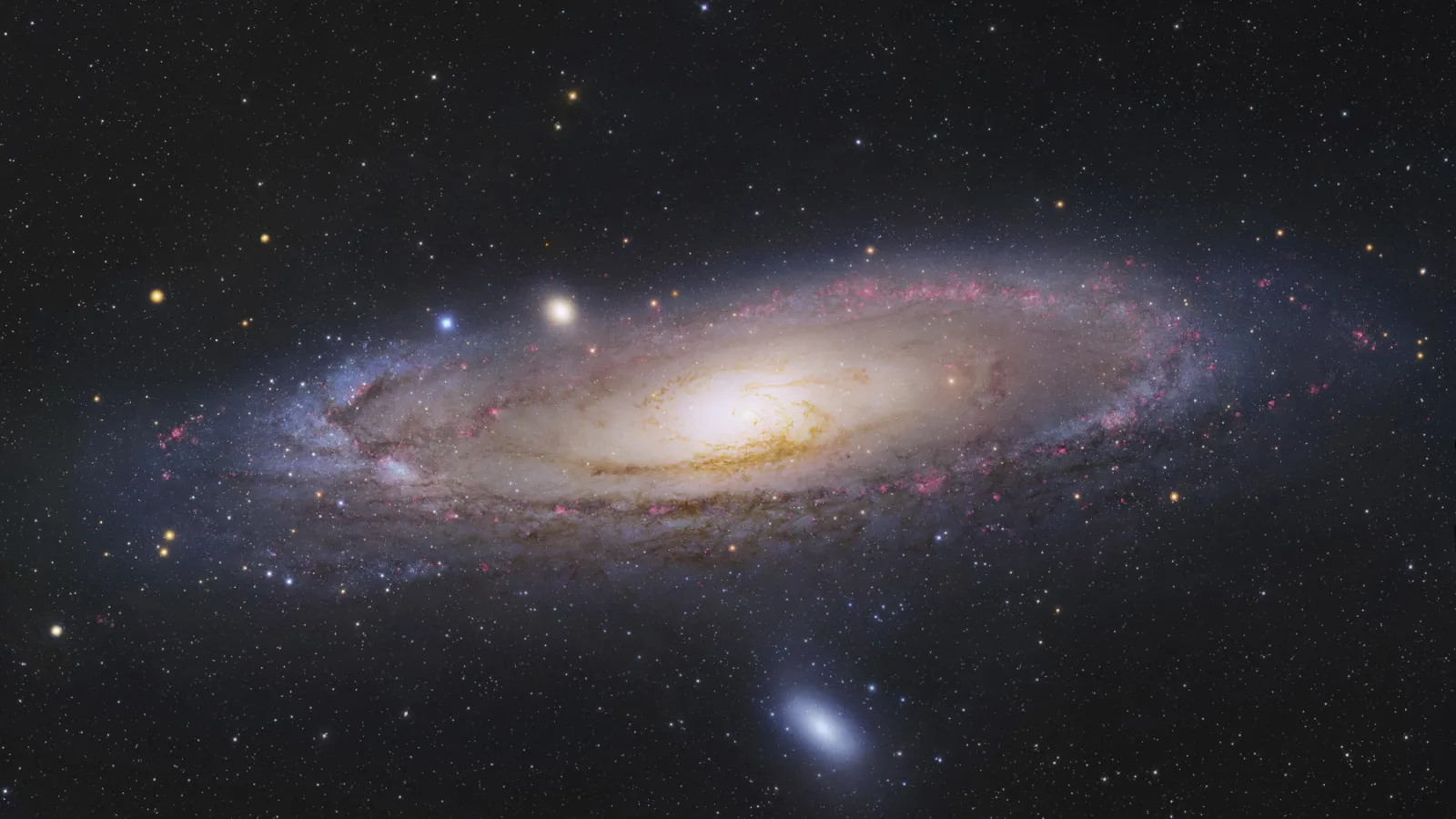
The high-quality measurements in this study help refocus standard cosmological models of the universe., researchers say.Photo by Getty Images