News
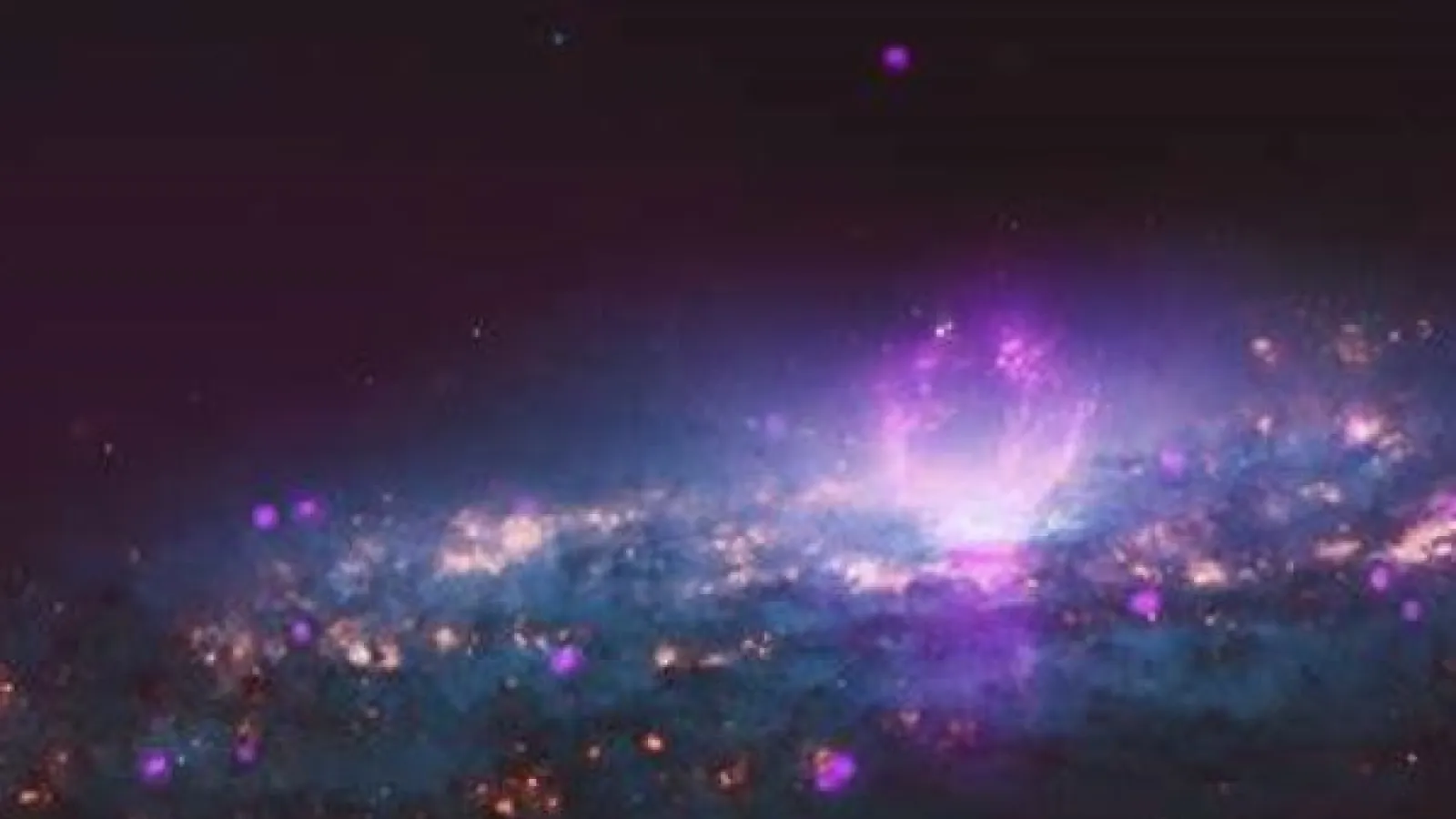
Galactic bubbles are more complex than imagined, researchers say
Astronomers have revealed new evidence about the properties of the giant bubbles of high-energy gas that extend far above and below the Milky Way galaxy’s center.
In a…

Shining Star: Ohio State honors student joins prestigious Astronaut Scholars
Harrison Blake, a rising senior, has been awarded the Astronaut Scholarship, which recognizes outstanding students in STEM pursuing research careers.
Blake was awarded the scholarship for…
Ohio State professor elected to National Academy of Sciences
An Ohio State University astronomy professor has been elected to the National Academy of Sciences, one of the highest honors a scientist can receive in the U.S.
David…
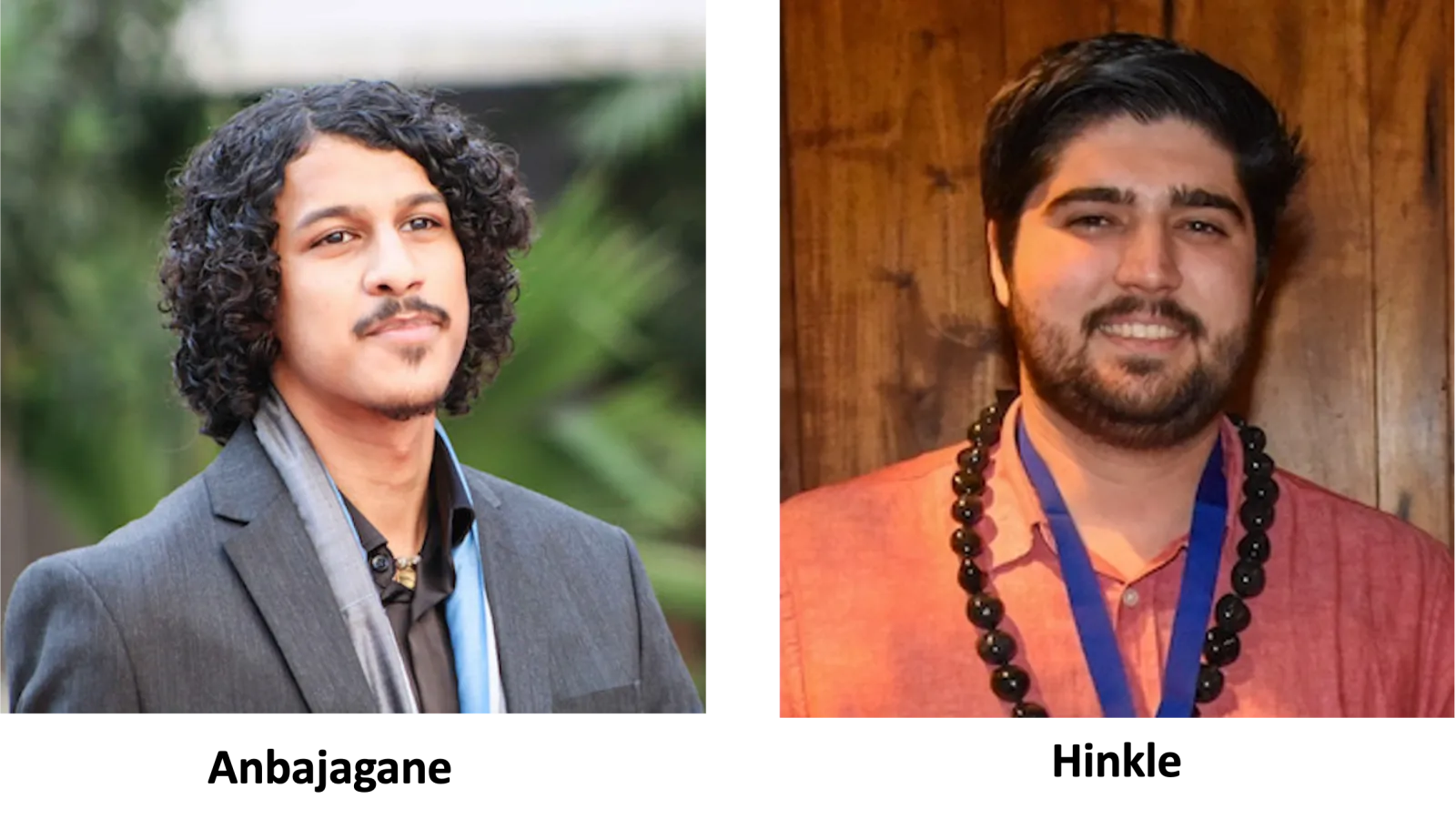
2023 Price Prize Winners Announced
CCAPP is proud to announce Dhayaa Anbajagane (U. Chicago) and Jason Hinkle (U. Hawaii) as the winners of the 2023 Price Prize in Cosmology and Astrophysics!
Dhayaa's research program…

Using supernovae to study neutrinos’ strange properties
In a new study, researchers in the Departments of Physics and Astronomy have taken an important step toward understanding how exploding stars can help reveal how neutrinos, mysterious subatomic…

Galactic explosion offers astrophysicists new insight into the cosmos
Using data from the James Webb Space Telescope’s first year of interstellar observation, an international team of researchers was able to serendipitously view an exploding supernova in a…
President's Buckeye Accelerator awards
Caitlin O’Brien and her team won one of the 6 President's Buckeye Accelerator awards last night. 11 ventures made their final pitch in the Ohio Union last night brought to us by the Keenan Center…
Webb telescope sees once-invisible structures inside spiral galaxies
Researchers participating in the PHANGS collaboration, or Physics at High Angular resolution in Nearby Galaxies, are using the telescope's infrared capabilities to study 19 spiral galaxies. “The…

Keith McBride awarded the University of Chicago’s Grainger Postdoctoral Fellowship
Congratulations to postdoc and former OSU grad student Keith McBride who has been awarded the University of Chicago’s Grainger Postdoctoral Fellowship, one of the premier physics…