News
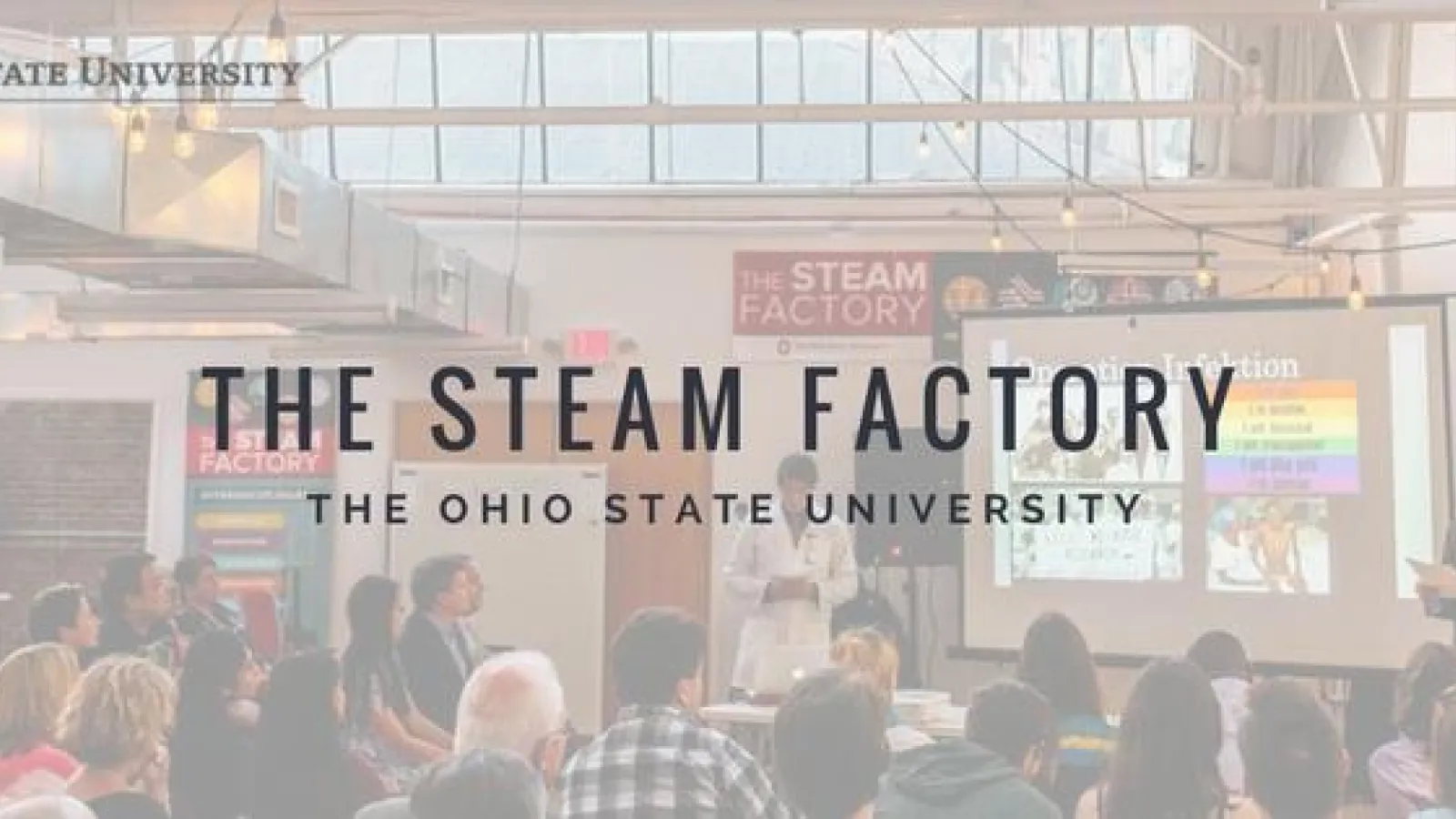
CCAPP Outreach: STEAM Factory
John Beacom, Director of CCAPP, did an outreach event on 9/28/2013 at a farmers' market at 400 West Rich, a formerly abandoned warehouse in Franklinton that is being converted into space for artists…
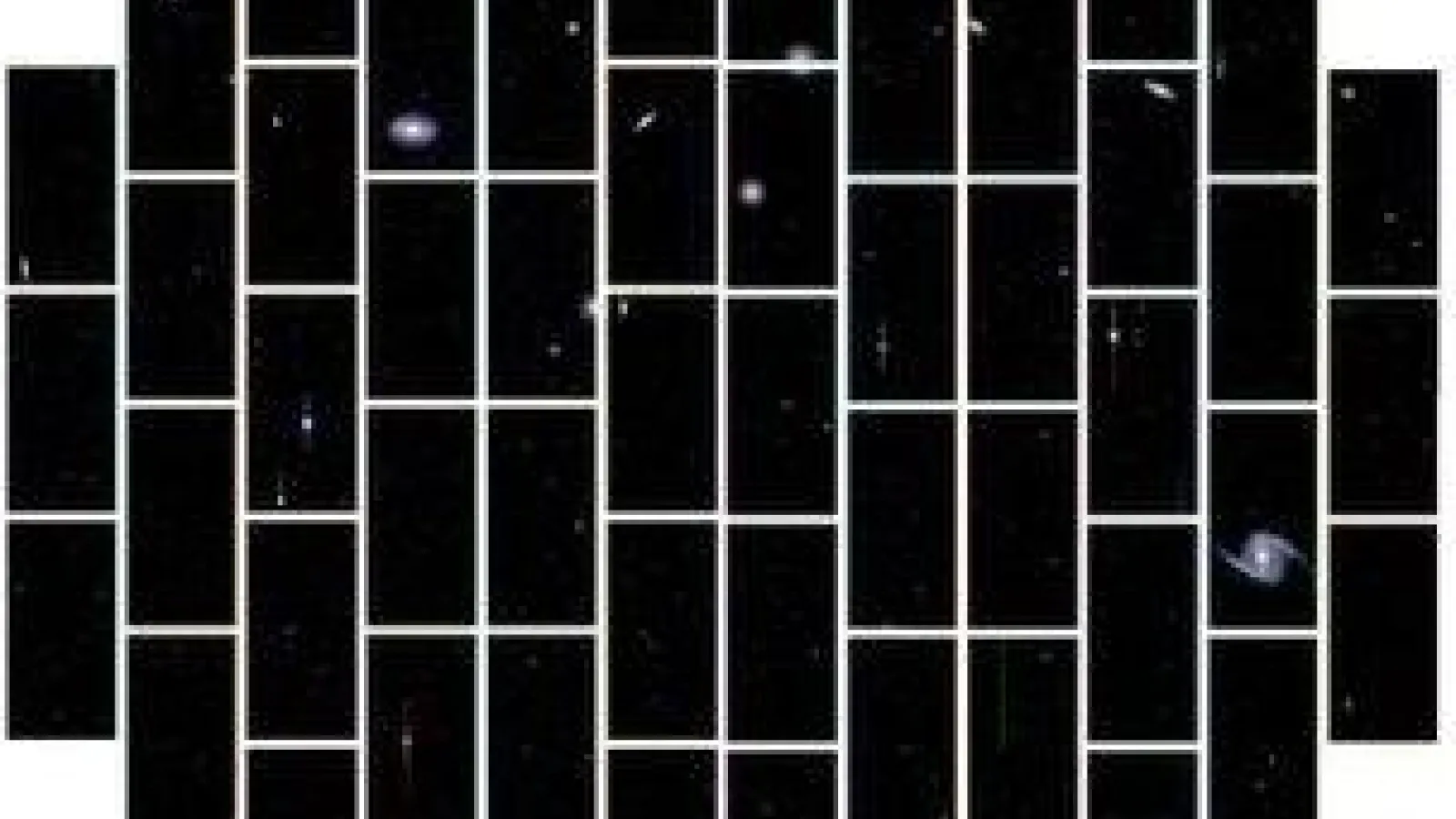
Ohio State Physicist Leads Team in Developing World's Most Powerful Digital Camera - DECam
Klaus Honscheid, professor of physics, led a team that developed the software to run a powerful new camera designed to answer one of the biggest mysteries in physics. The Dark Energy Camera (DECam…
Rebecca Reesman Wins LBL TAUP 2013 Poster Contest
Rebecca won the theory poster competition at the LBL TAUP2013 summer school, held in Asilomar, CA. The school is for roughly 50 graduate students and postdocs working in particle astrophysics and…
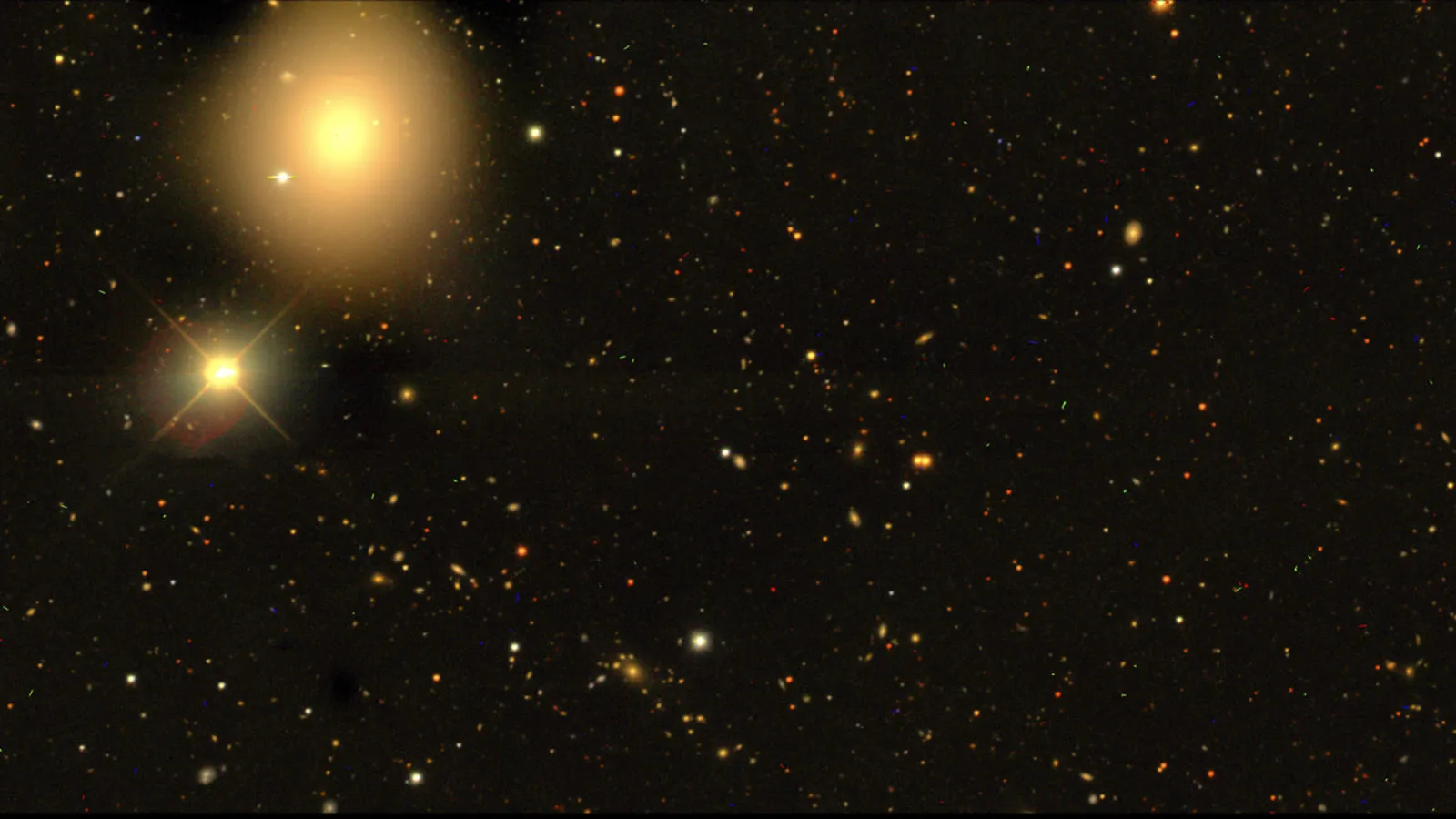
Dark Energy Survey Begins five-year Mission to Map Southern Sky in Tremendous Detail
Tonight, as the sun sinks below the horizon, the world's most powerful digital camera will once again turn its gleaming eye skyward. Tonight, and for hundreds of nights over the next five years, a…

CCAPP Reaches Out to Kids
CCAPP Director John Beacom and CCAPP's Todd Thompson spoke at Grandview Heights Kids' Club on Wednesday, July 17th, 2013 . "We spoke to two big groups of kids, answering their questions about space,…
OSU Astronomy has Open Questions Night at Local Bar
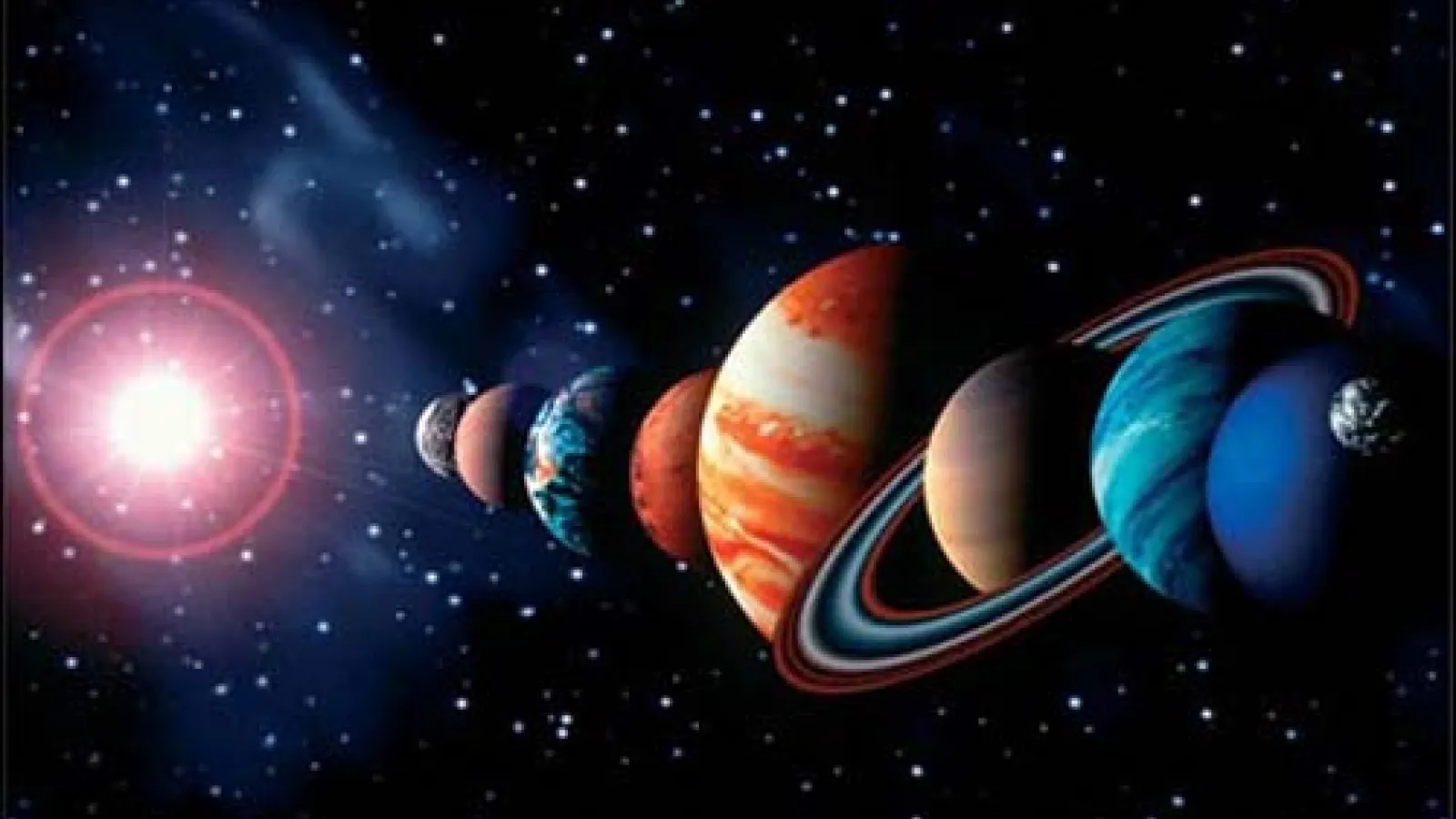
On July 29th, the Astronomy Department held Astonomy on Tap, a night of games, fun, and learning at the Brothers Drake Meadery & Bar. Demitri Muna from OSU Astronomy stated, "We had about 40…
ASAS-SN Discovers its First Supernova
Even in the present day, only human eyes fully survey the sky for the transient, variable and violent events that are crucial probes of the nature and physics of our Universe. The "All-Sky Automated…
CCAPP Director John Beacom Featured in Article
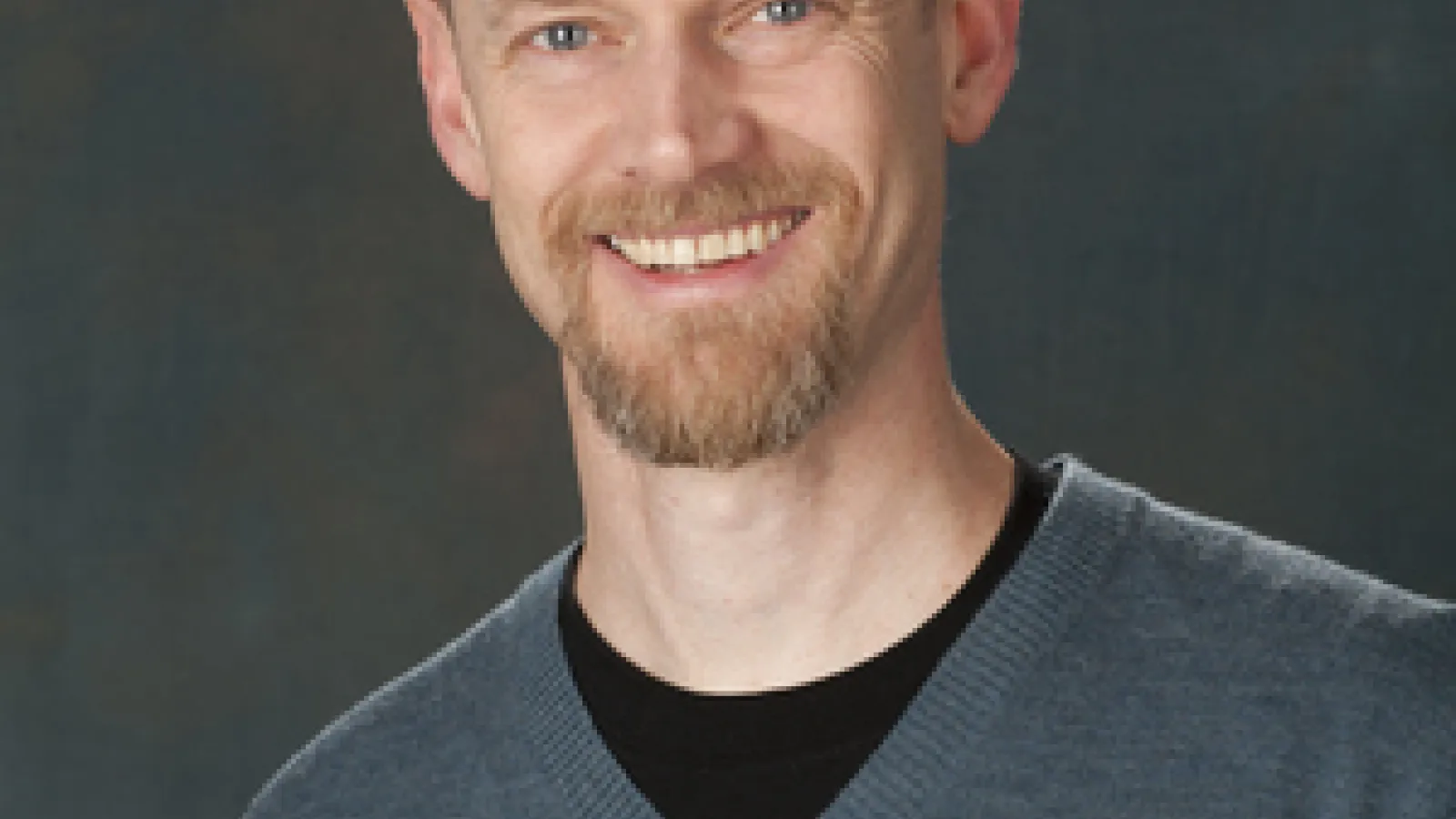
Scientists speak a different language to present issues, argue points and convey information. B efore many of these equations make it into a research journal or textbook, they are written in…
Coffee Drives CCAPP
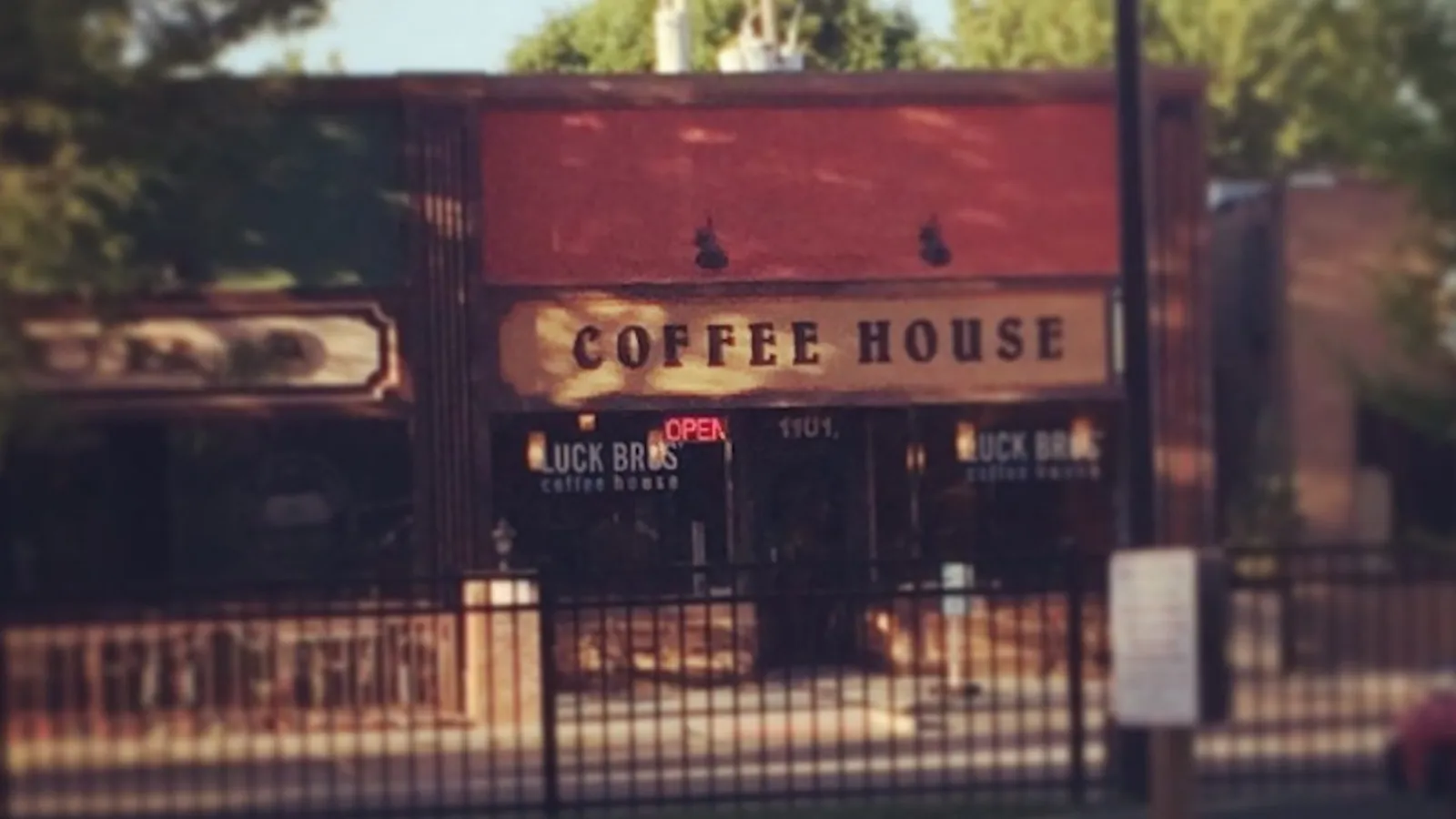
Since its beginnings, CCAPP scientists have been fueled by tens of thousands of espresso shots, brewed with Luck Bros' Coffee. Locally owned and independently operated, Luck Bros' has recently…