News
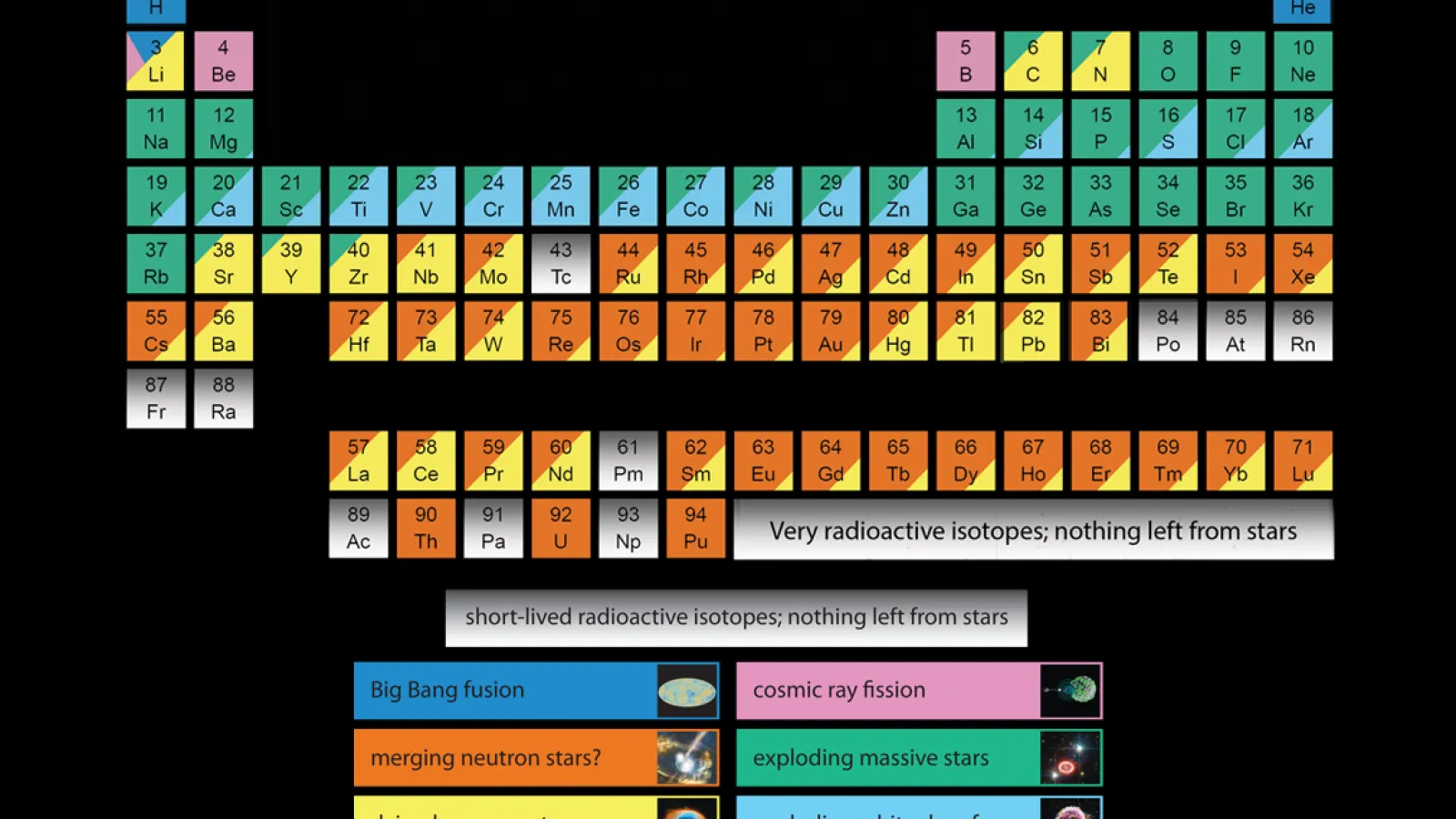
A Chemical History of the Universe
Astronomy professor Jennifer Johnson created a version of the periodic table that color codes the elements by their cosmic origins.
View the table and read the article here…
John Beacom named Henry L. Cox Professor of Physics and Astronomy
John Beacom, College of Arts and Sciences Distinguished Professor of Physics and Astronomy and Director of the Center for Cosmology and Astro-Particle Physics (CCAPP) has been named the second…
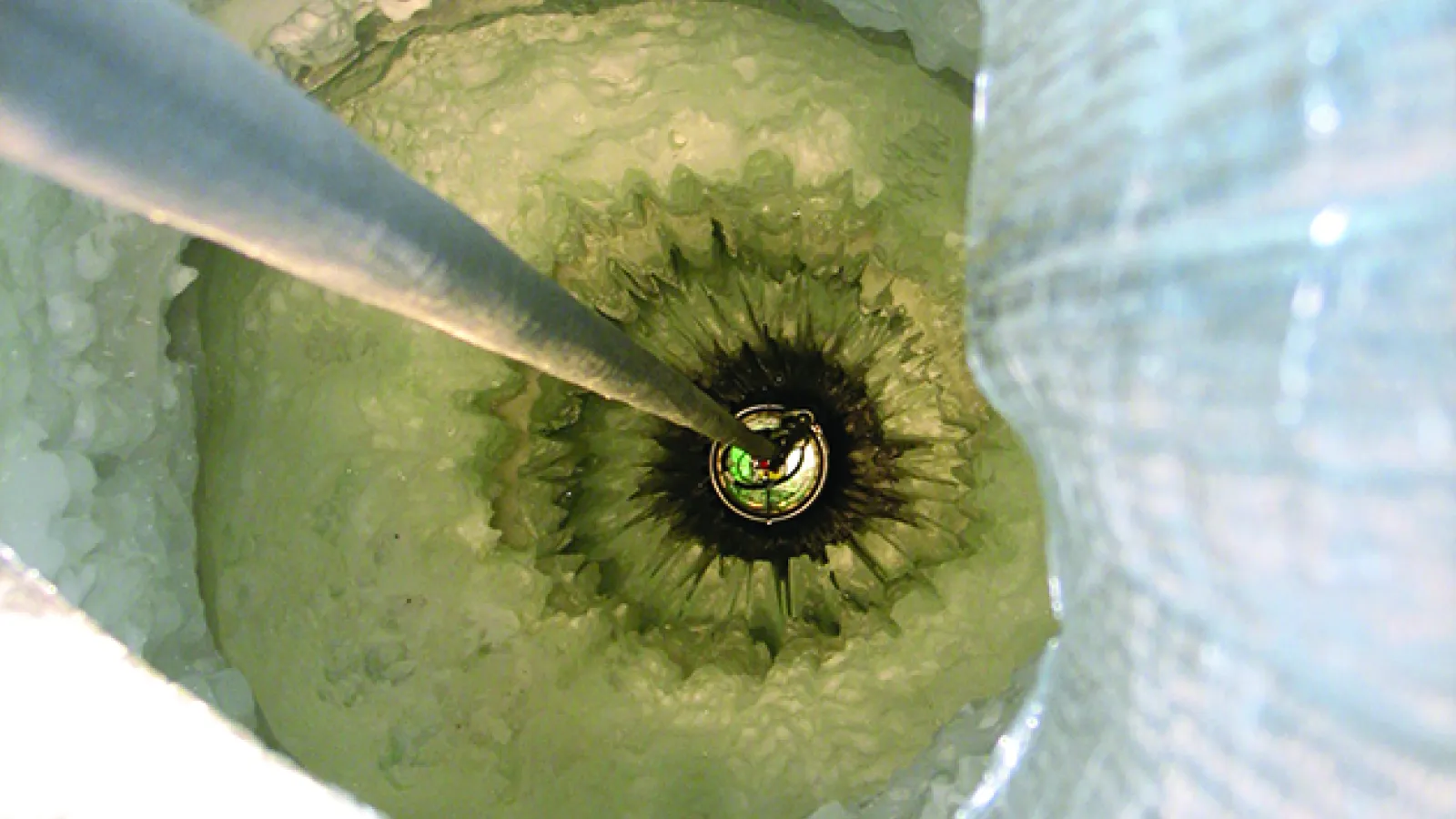
Neutrino Hunters
(Originally posted to https://artsandsciences.osu.edu/news-events Autumn 2018 edition)
Astrophysicists unlock mysteries deep beneath Antarctic ice. What could be more daunting than searching…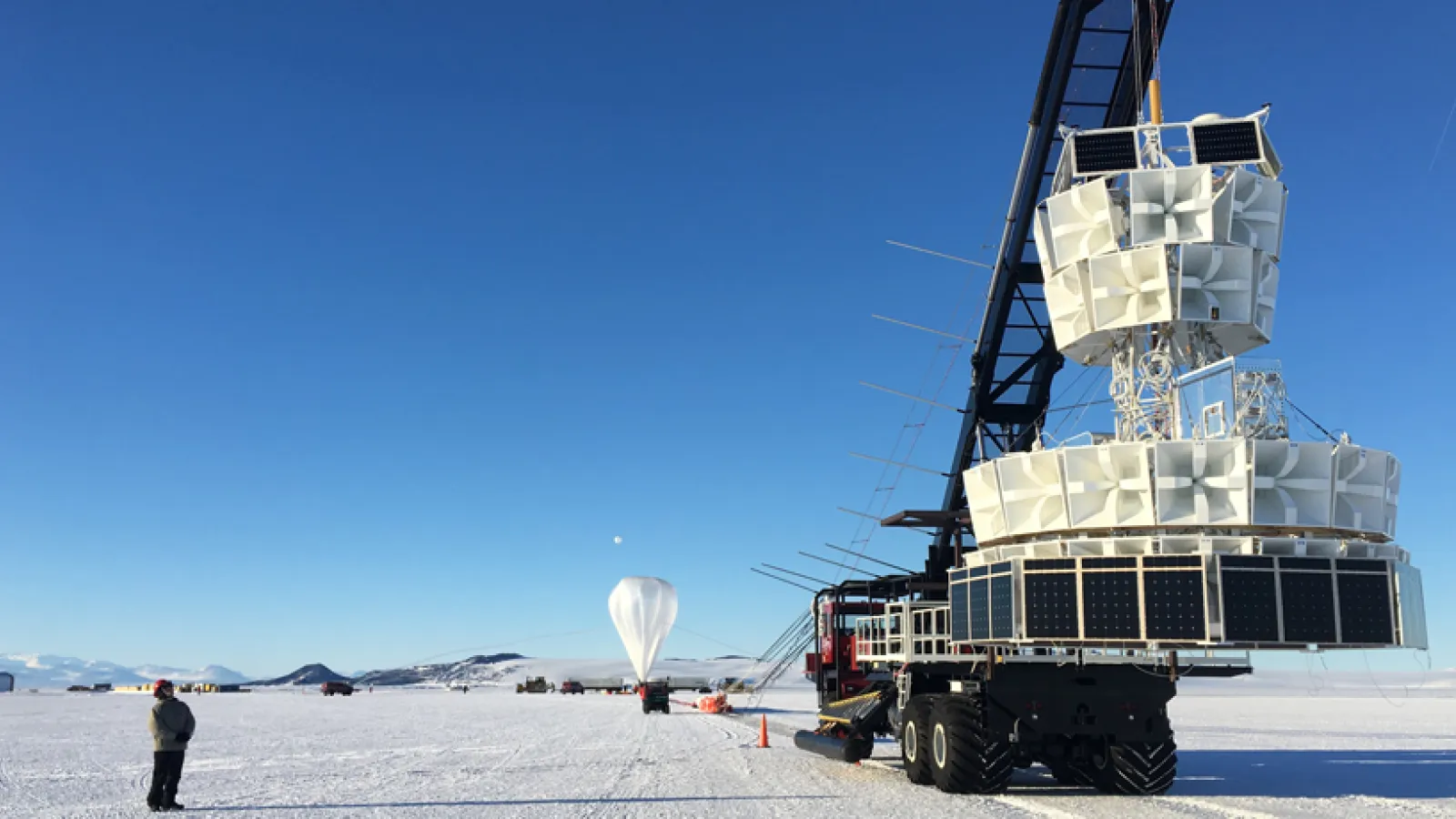
Hints of weird particles from space may defy physicists’ standard model
Dangling from a balloon high above Antarctica, a particle detector has spotted something that standard physics is at a loss to explain.
John Beacom, ASC Distinguished…

Astronomy, ASC Tech, collaborate to classify 412,000 variable stars
A new paper from the Department of Astronomy, in collaboration with ASC Technology Services, provides uniform classification of 412,000 known variable stars (brightness as seen from Earth…
Tim Linden Awarded 2018 Michelson Postdoctoral Prize
The 2018 Michelson Postdoctoral Prize was awarded to Tim Linden for his work bridging Astrophysics and Particle Physics. He will spend the week of Oct 1 – 5 in residence in…

New Sci-Dome at The Works is Creating New Learning Opportunities
Inspiring people to learn through a mixture of fun and awe, is what The Works is all about. And it's latest addition is light years ahead of the rest.
The Sci-Dome Planetarium is opening up…
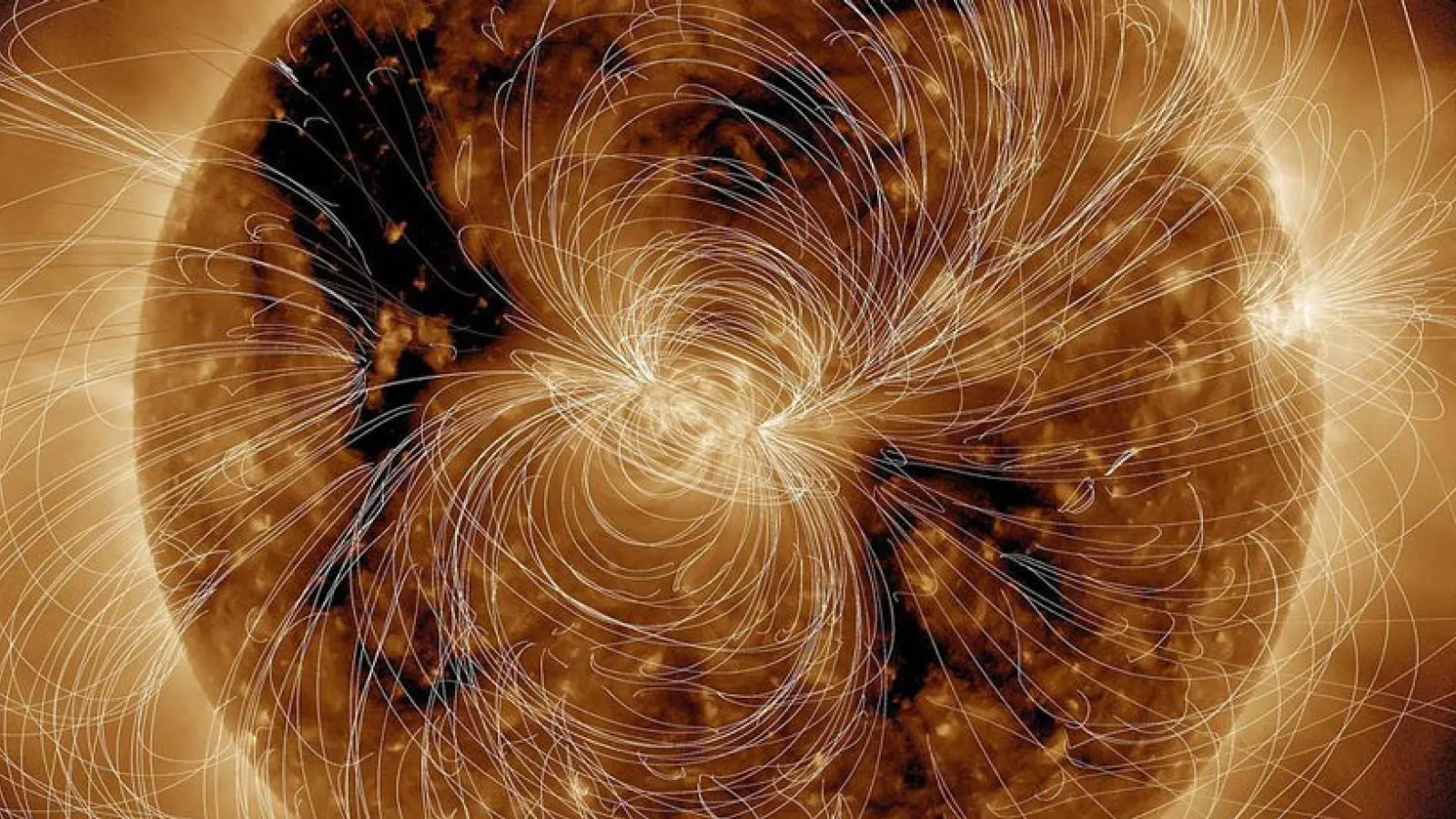
Strange gamma rays from the sun may help decipher its magnetic fields
Researchers are stumped by the sun’s high-energy gamma-ray emissions, which were examined over most of the solar cycle for the first time by Ohio State astrophysicists John Beacom…
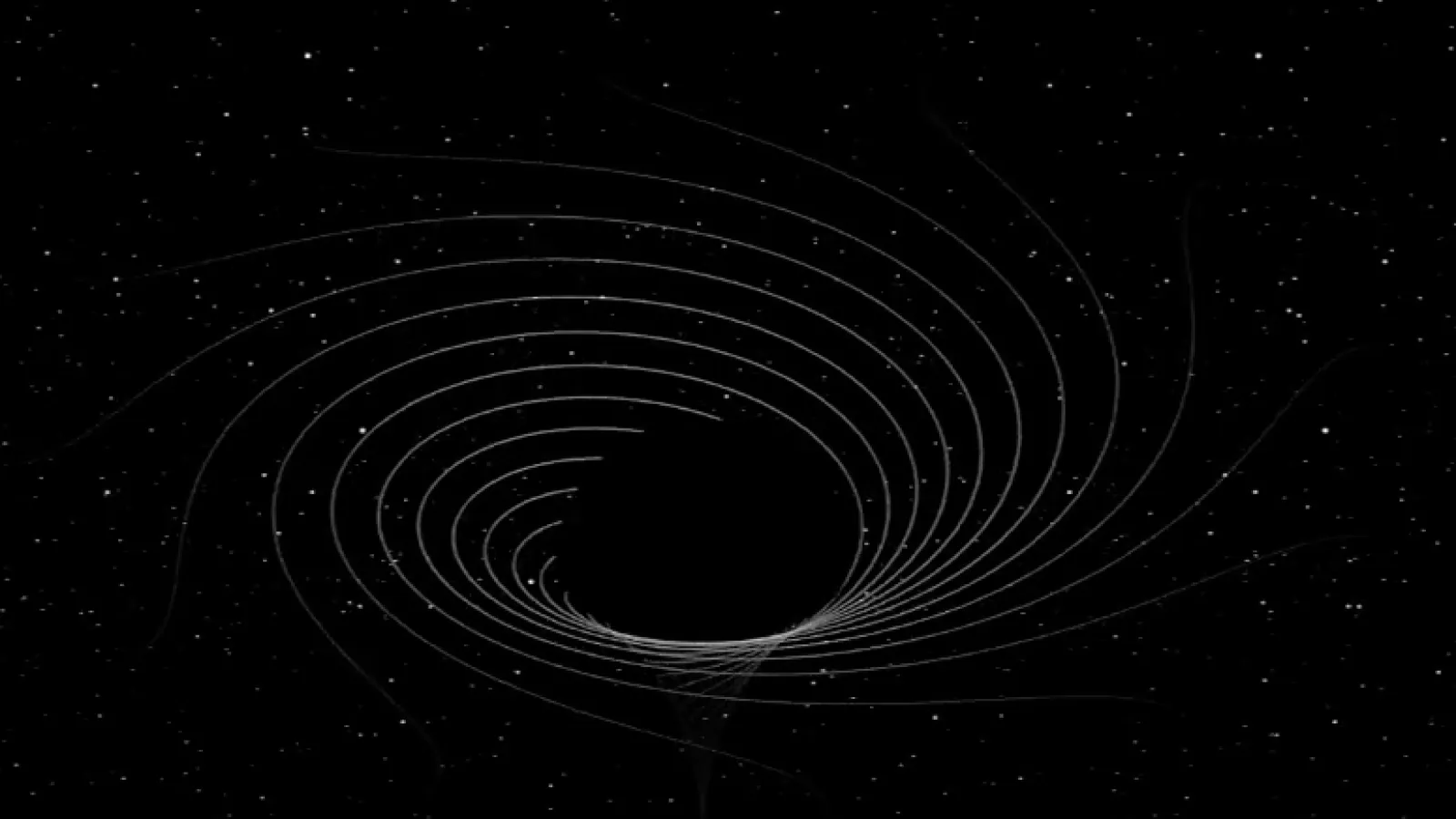
Star-Swallowing Black Holes Reveal Secret in Exotic Light Shows
Black holes, befitting their name and general vibe, are hard to find and harder to study. You can eavesdrop on small ones from the gravitational waves that echo through space when they collide—but…