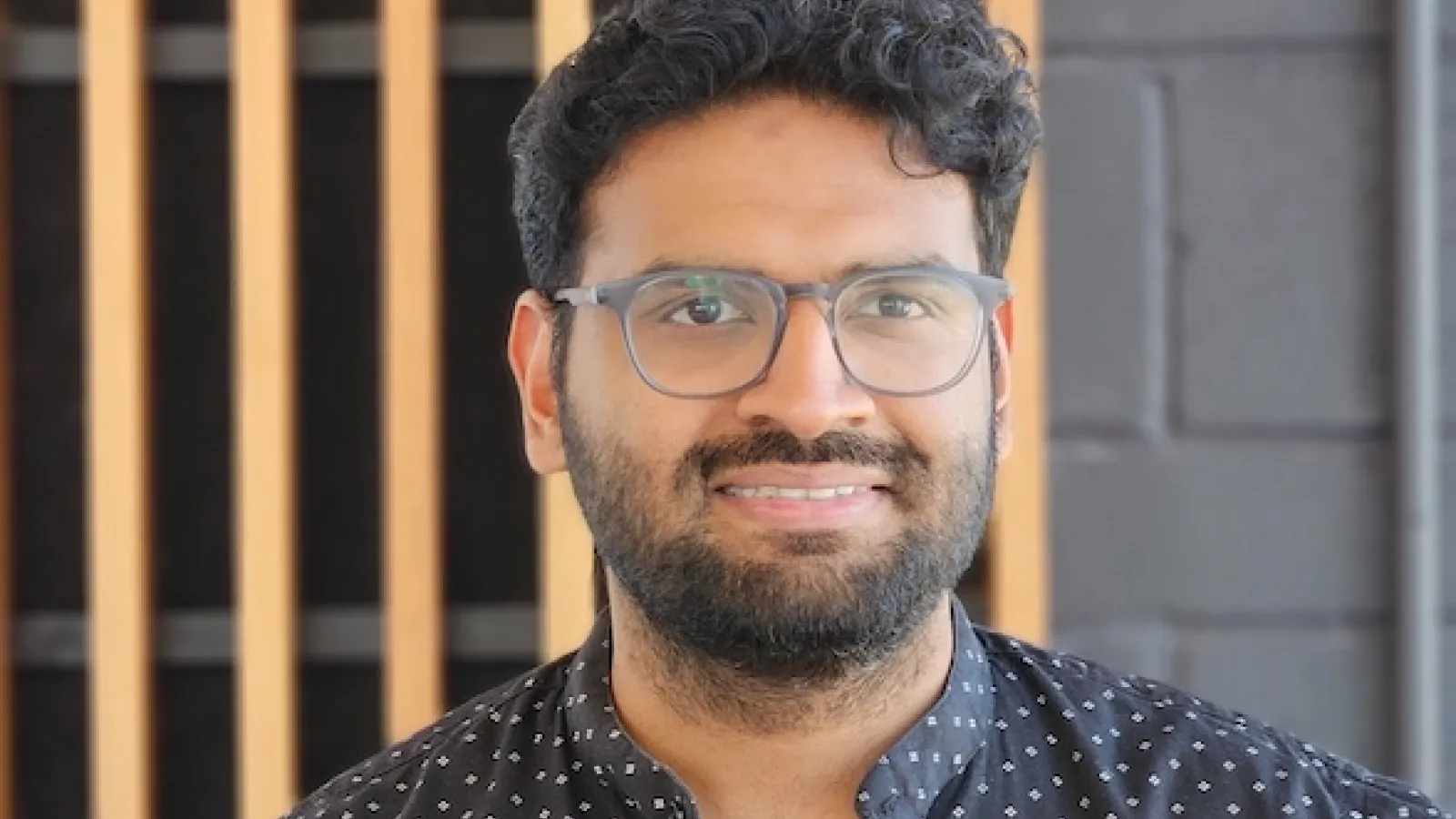
Gravitational-wave observations as astrophysical probes
Abstract: In the ten years since the first gravitational-wave (GW) detection, the LIGO, Virgo, and KAGRA detectors have amassed around 200 compact binary mergers and have revolutionized our understanding of physics. In this talk, I will describe the demographics of these objects—their mass, spin, redshift, etc., distributions—and their use as astrophysical probes. I will emphasize a hallmark feature of GW astronomy that is crucial to this exercise: our ability to model selection effects (the GW analogue of the Malmquist bias) accurately and precisely. I will also summarize our current understanding of formation pathways and the open questions that remain, with a concentration on the emerging hints of repeated mergers in the binary black hole population. I will end with my view on the exciting prospects ahead for gravitational-wave science.
For Zoom information, please contact the seminar coordinators.